We are a registered Medicare Provider


How to Prevent Cavities in Kids: A Parent’s Complete Guide


Cavities are a common concern for parents everywhere. As a parent, you want to ensure your child’s oral health remains in tip-top shape. While cavities are preventable, it takes a little bit of effort and education to keep them at bay. The good news is that with the right knowledge and habits, preventing cavities in kids can be easier than you might think.
Cavities are caused by the buildup of plaque and bacteria on your child’s teeth. If left untreated, cavities can lead to discomfort, infections, and even tooth loss. As a parent, it’s essential to know how to prevent cavities in kids and take proactive steps to ensure their oral health stays strong. Let’s explore simple, effective ways to help your child avoid cavities and keep their smile healthy.
1. Start Brushing Early and Right
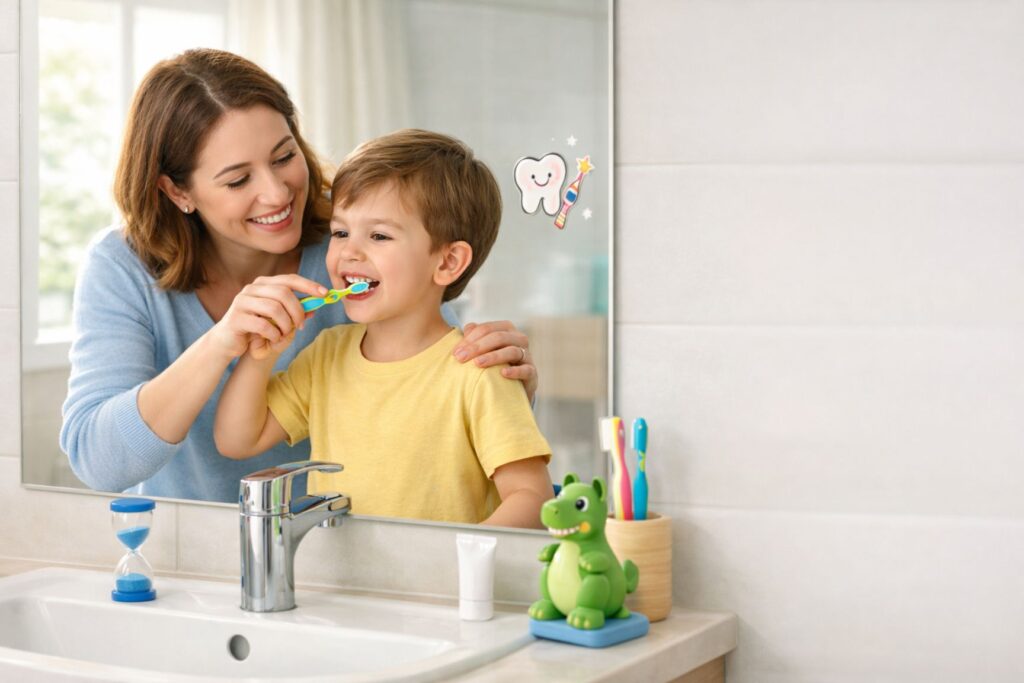
One of the most essential habits for preventing cavities in kids is brushing regularly. Start brushing your child’s teeth as soon as they come in. Even babies can benefit from gentle cleaning with a soft cloth or toothbrush. Once your child has a full set of teeth, use fluoride toothpaste to brush twice a day—morning and night.
For children under 6, it’s crucial to use a pea-sized amount of toothpaste to avoid swallowing excess fluoride. Supervise their brushing until they can do it independently, usually around age 7 or 8.
Quick Tip: Make brushing a fun routine! Use a timer, play their favorite song, or let them choose their toothbrush to make the process enjoyable.
2. Don’t Skip the Floss
Flossing is just as important as brushing for preventing cavities in kids, especially as your child’s teeth begin to touch. Food particles and plaque can get trapped between teeth, where toothbrush bristles can’t reach. Flossing helps clean these areas and prevents cavities from forming.
You can start flossing your child’s teeth as soon as two teeth are touching. For younger children, you can use floss picks or tools that make the process easier. Encourage your child to floss once a day, ideally before bedtime.
3. Schedule Regular Dental Visits

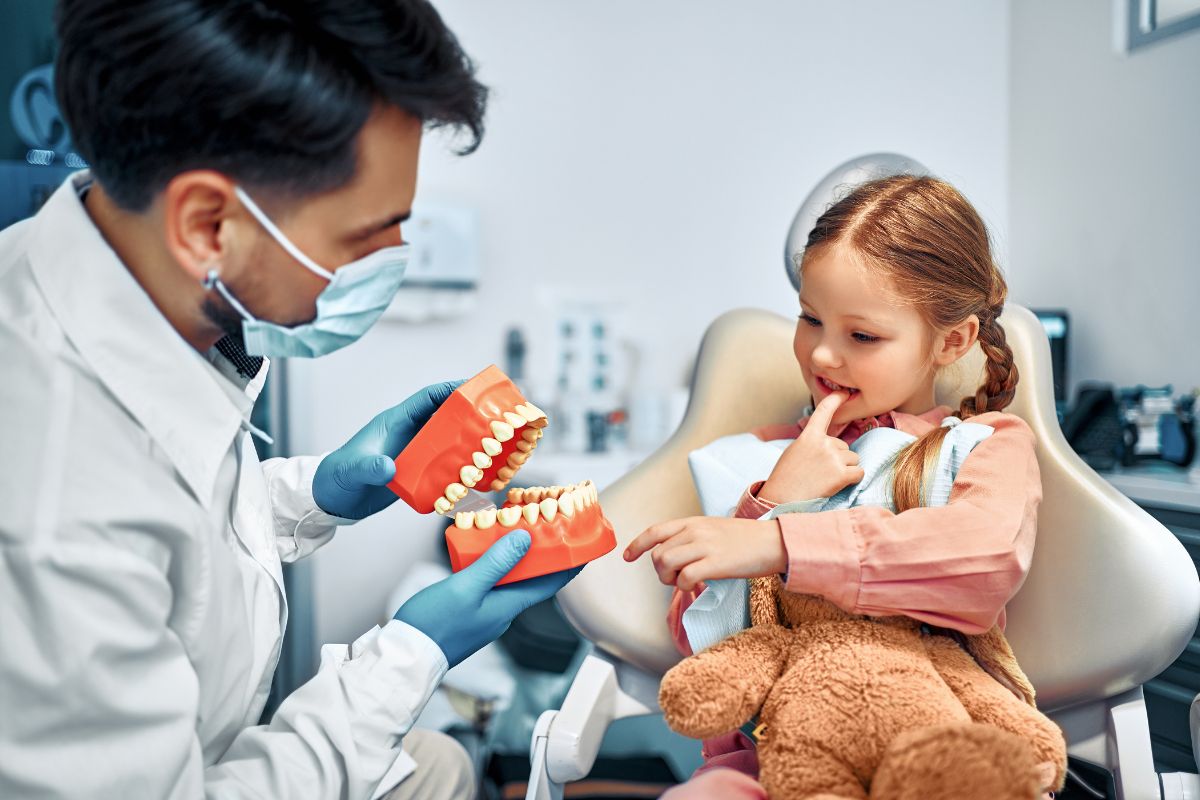
Routine dental visits are a cornerstone of cavity prevention. The American Academy of Pediatric Dentistry (AAPD) recommends that children see a dentist by their first birthday and continue regular checkups every six months. These visits help catch cavities early, provide professional cleanings, and ensure that your child’s teeth are developing properly.
Regular visits to a pediatric dental expert also help your child become comfortable with dental care, reducing the fear of future visits. During checkups, your dentist may apply fluoride treatments or dental sealants to further protect against cavities.
4. Keep an Eye on Diet

A balanced diet plays a vital role in preventing cavities. Sugary snacks and drinks can contribute to plaque buildup and decay. While it’s okay to indulge occasionally, try to limit sugary foods and beverages like soda, candy, and fruit juices. Instead, encourage your child to eat nutritious foods like fruits, vegetables, cheese, and whole grains.
Drinking water is also essential for oral health. Not only does it help rinse away food particles and sugars, but it also keeps the mouth hydrated, allowing natural protective saliva to do its magic. Try to make water the go-to drink for your child.
5. Limit Snacks Between Meals
Frequent snacking can lead to a constant supply of sugar in your child’s mouth, which fuels cavity-causing bacteria. Ideally, try to limit snacks between meals to give your child’s teeth a break. If your child is hungry between meals, offer healthy snacks like fresh fruit, vegetables, or a handful of nuts.
If your child needs something more substantial between meals, opt for snacks that don’t stick to their teeth, like cheese or yogurt. These snacks help protect against cavities by neutralizing mouth acids.
6. Consider Fluoride Treatments
Fluoride is a powerful mineral that helps prevent cavities by strengthening tooth enamel. While most tap water contains fluoride, your dentist may recommend additional fluoride treatments if your child is at higher risk for cavities. These treatments are quick, painless, and can make a big difference in cavity prevention.
Some children may also benefit from fluoride varnishes, which are applied directly to the teeth during a dental visit. This varnish helps protect teeth from decay, especially in areas where plaque tends to build up.
7. Use Dental Sealants
Dental sealants are thin, protective coatings applied to the chewing surfaces of back teeth. These areas are often hard to clean properly, making them more prone to cavities. Sealants create a barrier that prevents bacteria and food particles from getting into the deep grooves of the teeth.
Most kids are candidates for sealants around age 6, when their first permanent molars come in. Sealants are easy to apply, long-lasting, and highly effective at preventing cavities.
8. Set a Positive Example
Children are more likely to adopt good habits if they see their parents practicing them. Set a positive example by brushing and flossing together as a family. Let your child see that taking care of their teeth is a priority in your household.
Make dental care fun and enjoyable, and encourage your child by praising their efforts. Let them pick out their toothbrush and toothpaste, and reward them with a fun activity for maintaining their oral hygiene.
Start Early, Prevent Cavity Woes
Preventing cavities in kids requires consistency, patience, and knowledge. The earlier you start these habits, the better. By establishing good oral hygiene routines, making healthy food choices, and keeping up with regular dental visits, you’re setting your child up for a lifetime of healthy smiles.
At Centreville Family and Cosmetic Dentistry, we’re here to help guide you through your child’s oral care journey. If it’s time for your little one’s checkup or if you have any questions about cavity prevention, don’t hesitate to reach out. Schedule an appointment with us today and help your child maintain a bright, healthy smile!
Questions to Ask
1. How can I tell if my child has a cavity?
Early signs of cavities in children include tooth sensitivity, visible holes, or dark spots on teeth. If your child complains of tooth pain, schedule a dental visit as soon as possible.
2. How can I make brushing more fun for my child?
Try using fun toothbrushes, play their favorite song while brushing, or set a timer. Letting them pick their toothpaste flavor or rewarding them with stickers can also motivate them.
3. Are there any foods that can help prevent cavities?
Yes! Foods rich in calcium, like cheese and yogurt, and high-fiber fruits and vegetables, like apples and carrots, help keep teeth strong and clean. Water also helps wash away food particles.
4. At what age should I start taking my child to the dentist?
The AAPD recommends bringing your child to the dentist by their first birthday or when their first tooth appears. Regular checkups should be scheduled every 6 months thereafter.
5. Can fluoride treatments really prevent cavities in kids?
Yes! Fluoride strengthens tooth enamel and helps prevent cavities. Your dentist can apply fluoride treatments during regular checkups to provide extra protection.