We are a registered Medicare Provider


What You’ll Actually Feel During Your Root Canal Treatment

Most dental anxiety starts with the unknown. When patients ask what you’ll actually feel during your root canal treatment in Centreville, they’re really asking one question: Will it hurt? The honest answer is that modern root canal therapy is far gentler than its reputation suggests. At Centreville Family and Cosmetic Dentistry, Dr. Paul Han uses advanced techniques to keep you comfortable from start to finish.
This article walks you through every stage of the procedure. You’ll learn exactly what sensations to expect — and which ones are perfectly normal. Knowledge is the first step toward calm.
Why Root Canals Feel So Different Today
The root canal reputation was earned decades ago, before modern anesthesia and instruments existed. Today, most patients compare the experience to getting a routine filling. The procedure itself relieves pain rather than causing it.
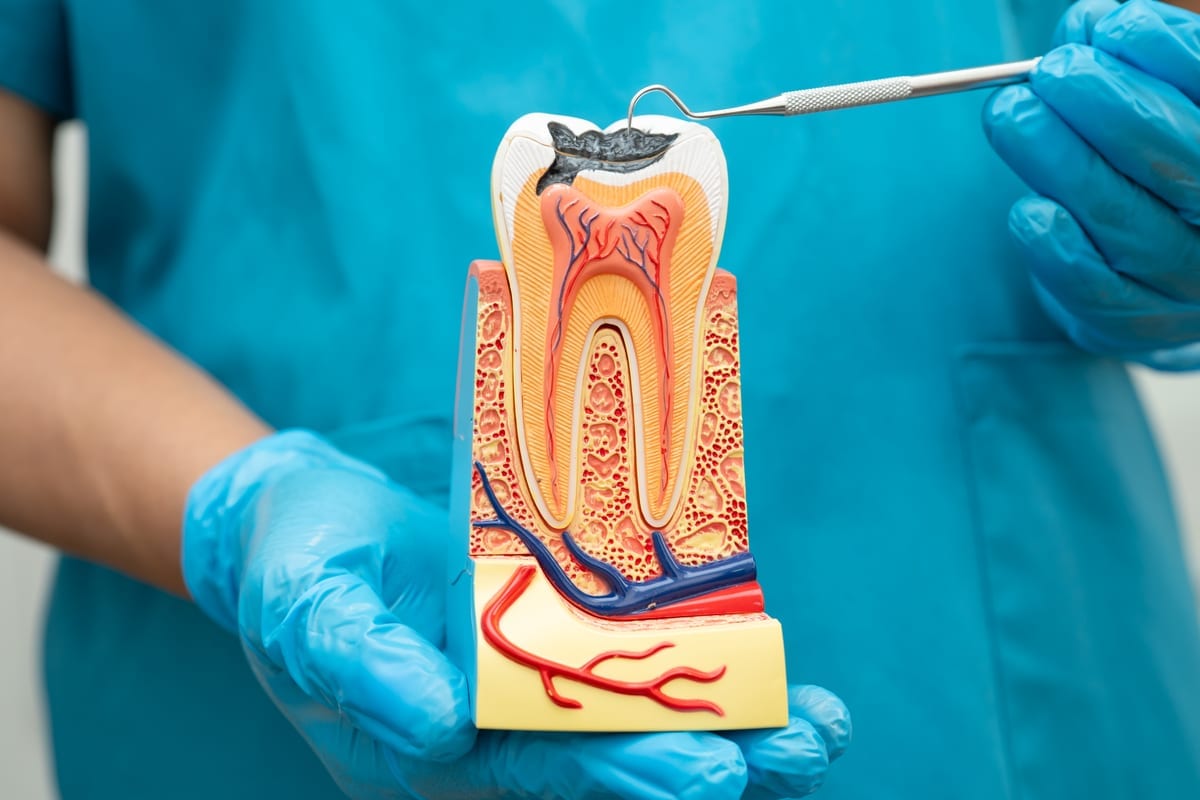
Root canal treatment targets the pulp — the soft tissue inside your tooth. When infection or injury inflames that pulp, it creates serious, throbbing pain. Removing it eliminates the source of your discomfort. Think of the procedure as the cure, not the problem.
Dr. Han prioritizes patient comfort at every visit. He takes time to explain each step before performing it. That transparency helps patients in Centreville feel prepared and in control throughout treatment.
What You’ll Feel During Numbing and Preparation
The first thing Dr. Han does is apply a topical numbing gel to your gum tissue. This works within seconds and reduces the sensation of the injection to come. Most patients describe the injection as a mild pressure, not a sharp sting.
Once the anesthetic takes effect, the tooth and surrounding area become fully numb. You may feel a slight heaviness or tingling in your jaw. That sensation is normal and signals the anesthetic is working properly.
Dr. Han then places a small rubber dam around the tooth. This isolates the area and keeps it clean during treatment. You’ll notice it feels slightly snug, but it causes no pain whatsoever.
- Topical gel is applied first to minimize injection discomfort
- The anesthetic injection feels like brief pressure, not sharp pain
- Numbness typically sets in within two to three minutes
- The rubber dam feels snug but does not hurt
- You can breathe and swallow normally throughout this stage
What You’ll Feel During the Actual Root Canal Procedure
Once you’re numb, Dr. Han creates a small opening in the top of your tooth. This is done with a dental drill. Because the area is fully anesthetized, you won’t feel pain — only vibration and gentle pressure.
Small, flexible files are then used to clean the inside of the root canals. These instruments remove infected pulp tissue and shape the canals for filling. The process feels like mild pressure deep in your tooth, nothing sharp or stabbing.
You may hear clicking or scraping sounds during this stage. Those sounds are completely normal. They come from the instruments working inside the tooth structure, not from anything going wrong. Knowing this in advance helps many patients stay relaxed.
The canals are then rinsed thoroughly with an antimicrobial solution. You’ll feel nothing during the rinse. Afterward, the canals are dried and filled with a rubber-like material called gutta-percha. A temporary or permanent filling seals the opening.
- Dr. Han creates a small access opening in the tooth
- Infected pulp is removed using fine, flexible files
- Canals are shaped and cleaned with gentle instruments
- An antimicrobial rinse clears any remaining bacteria
- Gutta-percha fills and seals the root canal space
- A filling or crown protects the tooth long-term
What You’ll Feel After Your Root Canal in Centreville
Some mild soreness is normal for two to three days after the procedure. The tissue around the tooth may feel tender when you bite down. This happens because your body is healing, not because something went wrong.
Over-the-counter pain relievers like ibuprofen typically manage post-treatment discomfort well. Most patients return to normal activities the same day or the day after. Severe or worsening pain beyond three days warrants a call to the office.
Dr. Han will discuss aftercare instructions with you before you leave. Following those steps speeds up healing significantly. Avoiding hard foods for a few days gives the treated tooth time to settle.
In many cases, a dental crown is recommended after a root canal. This protects the weakened tooth from fracturing under normal bite pressure. Dr. Han will explain your restoration options clearly during your consultation.
How Root Canal Treatment Compares to Tooth Loss
Some patients wonder whether extraction is a simpler option than root canal treatment. Removing a tooth does eliminate immediate pain. However, it also creates a gap that affects how you chew and speak over time.
Missing teeth can lead to shifting, bone loss, and changes in your bite. Replacing a lost tooth often requires options like Dental Implants Centreville or Dental Bridges Centreville. Both are excellent solutions, but preserving your natural tooth through root canal therapy is often the most straightforward path.
Root canal treatment saves the original tooth structure. That means no gap, no shifting, and no need for a replacement restoration. From a long-term oral health perspective, saving the tooth is almost always the better choice.
Frequently Asked Questions
Does a root canal hurt during the procedure?
No. Dr. Han administers local anesthetic before beginning treatment. The tooth and surrounding tissue are fully numb throughout the procedure. Most patients feel only gentle pressure and vibration, not pain.
How long does a root canal appointment take?
Most root canal treatments at Centreville Family and Cosmetic Dentistry take between sixty and ninety minutes. Complex cases with multiple canals may require a second visit. Dr. Han will give you a clear time estimate during your consultation.
Is it normal to feel sore after a root canal?
Yes, mild soreness for two to three days is completely normal. The tissue around the tooth heals after treatment, which can cause tenderness when biting. Over-the-counter anti-inflammatories usually manage this discomfort effectively.
Will I need a crown after my root canal?
In most cases, yes. A crown protects the treated tooth from cracking under normal chewing pressure. Dr. Han will evaluate your specific situation and recommend the best restoration option for long-term durability.
What happens if I avoid getting a root canal?
Leaving an infected tooth untreated allows bacteria to spread. The infection can move into the jawbone and surrounding teeth. It may eventually require extraction, which creates additional dental needs and costs down the road.
If you’ve been putting off treatment because of fear, you’re not alone — and you don’t have to stay stuck there. Dr. Paul Han and the team at Centreville Family and Cosmetic Dentistry are here to guide you through every step with patience and expertise. Book Now to schedule your appointment with our team.