We are a registered Medicare Provider


Full-Arch Dental Implants: A Comprehensive Guide

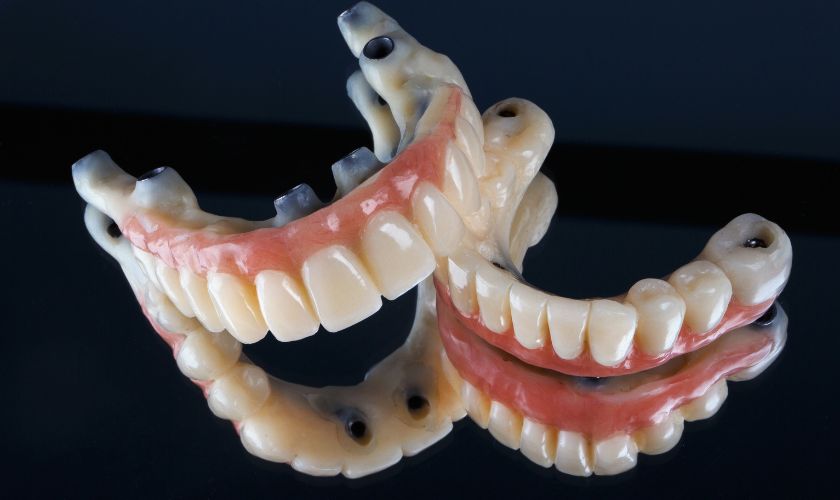
Losing an entire arch of teeth, whether upper or lower, can greatly influence your quality of life by impairing your ability to eat and speak effectively and even cause social anxiety due to concerns about your smile. Traditional dentures, while a solution, often come with limitations like slipping, discomfort, and difficulty chewing.
Full-arch dental implants offer a revolutionary alternative. These permanent implants provide a stable, natural-looking, and fully functional replacement for a full arch of missing teeth. This comprehensive guide today will explore everything you need to know about full-arch dental implants, from understanding the procedure to considering your options and navigating the recovery process.
Understanding Full-Arch Dental Implants
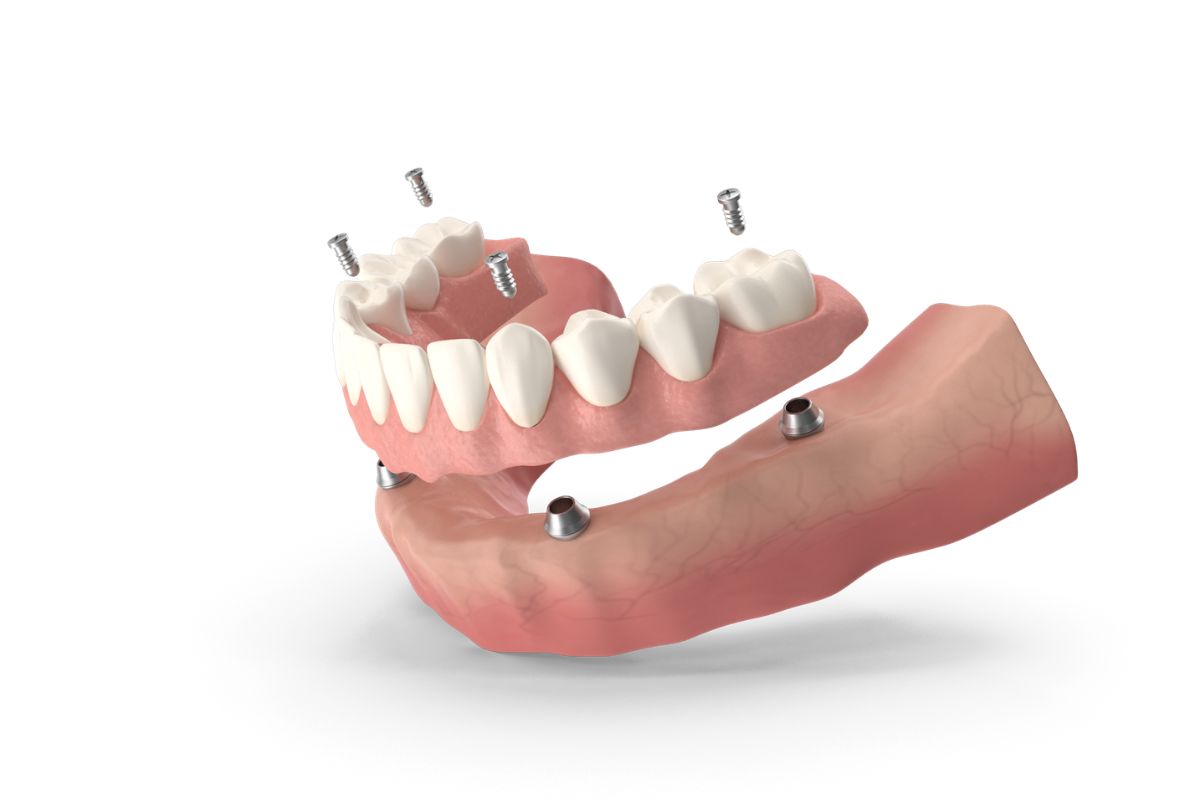
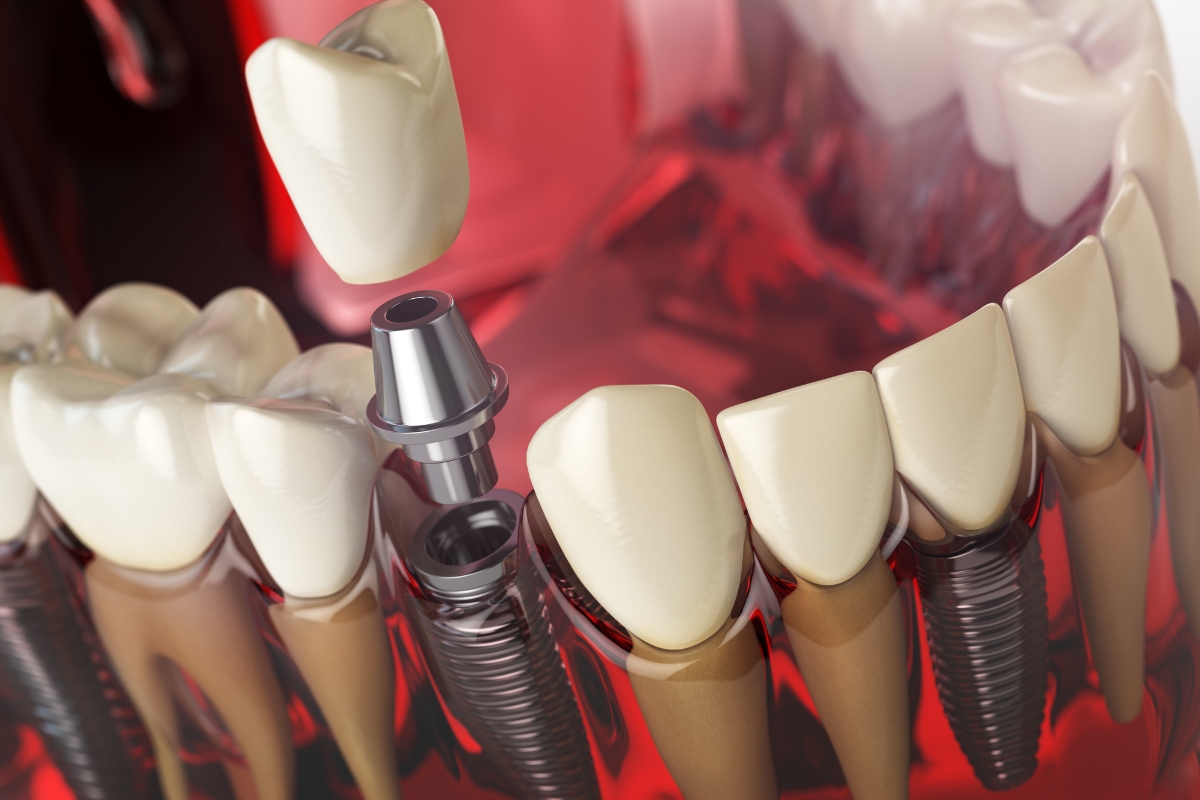
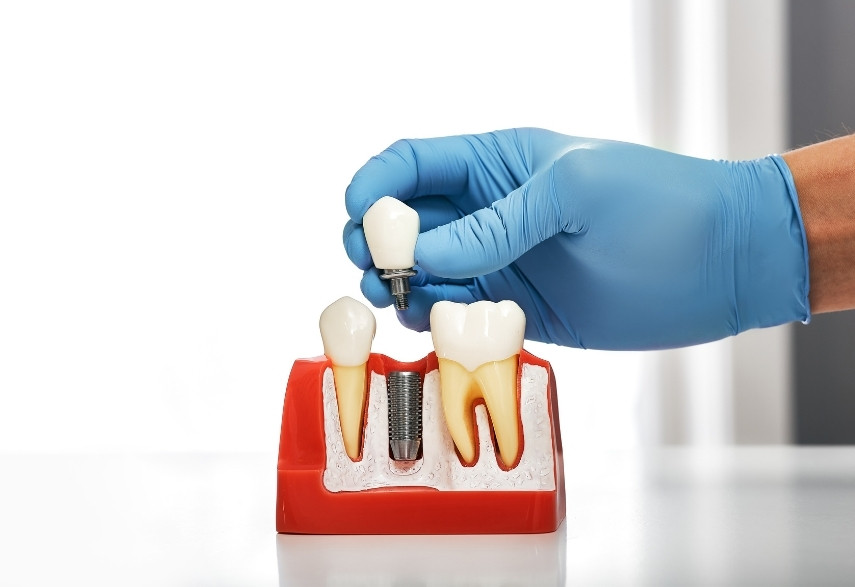
Full-arch dental implants involve surgically placing implants (typically titanium screws) into your jawbone. These implants act as anchors for a fixed or removable denture, providing exceptional stability and mimicking the function of natural teeth.
Kinds of Full-Arch Dental Implants
- All-on-4: This technique uses four strategically placed implants to support a full arch of fixed or removable dentures. It’s a popular option for patients with some bone loss, as it minimizes the need for bone grafting procedures.
- All-on-6: This approach utilizes six implants for even greater stability, which is particularly ideal for patients with significant bone loss or those seeking a fixed denture.
- Implant-Supported Dentures: These dentures are secured onto strategically placed implants, offering improved stability and function compared to traditional dentures.
Benefits of Full-Arch Dental Implants
- Enhanced Stability: Unlike dentures, full-arch implants are anchored into the jawbone, eliminating slipping and discomfort while eating, speaking, or laughing.
- Improved Chewing Ability: The secure fit allows you to chew a broader range of foods with greater confidence and ease.
- Natural Appearance: Full-arch implants support dentures that are custom-made to closely resemble your natural teeth, fostering a beautiful and natural-looking smile.
- Boosted Confidence: Regaining the ability to smile and eat freely can significantly improve your self-esteem and overall quality of life.
- Bone Preservation: Artificial Teeth stimulate jawbone growth and prevent bone loss that may result from missing teeth and traditional dentures.
- Durability: Full-arch implants, when properly cared for, are designed to provide a long-lasting solution for missing teeth, lasting for many years.
Who qualifies for full-arch dental implants?
Good candidates for full-arch dental implants generally have good overall health and sufficient jawbone density to support the implants. Here are several factors your dentist will take into account:
- Overall health: You should be in good health and able to undergo surgery.
- Jawbone health: Sufficient bone density is crucial for implant placement. If bone loss is present, bone grafting procedures might be necessary.
- Gum health: It plays a major role in the success of placement in implants.
The Full-Arch Dental Implant Procedure:
The full-arch implant procedure typically involves several stages:
- Consultation and planning: This initial stage involves a thorough examination, X-rays, and discussions about your goals and treatment options.
- Implant placement: Surgery is performed to place the implants into your jawbone. Depending on your specific case, you might receive temporary dentures during the healing period.
- Healing: The healing process allows the implants to fuse with the jawbone, typically taking several months.
- Abutment placement: Once healed, small connectors (abutments) are attached to the implants to provide a secure attachment for the dentures.
- Denture placement: The final stage involves attaching the custom-made denture onto the abutments, completing your new smile.
Recovery & Aftercare:
Some swelling and discomfort following the procedure are normal. Your Centreville dentist will prescribe pain relief medication and give you detailed instructions for home care. Maintaining excellent oral hygiene is vital for promoting successful healing and long-term implant success.
Cost Considerations:
Full-arch dentures are a significant investment in your oral health and overall well-being. The cost varies according to several factors, including the number of implants needed, the type of procedure, and geographic location. Have a consultation with your dentist in Centreville, VA, about treatment options and discuss financing plans that may be available.
Final Thoughts
Ultimately, full-arch dental implants offer a life-changing solution for individuals missing a full arch of teeth. They provide exceptional stability, improved chewing function, a natural-looking smile, and a significant boost to your confidence. If you’re considering this smile-changing procedure, then consult with an ideal dentist to explore your options and ascertain if this treatment is right for you.
As the final chapter in the saga of full-arch dental implants unfolds, a sense of awe and wonderment fills the air. The comprehensive guide serves as a beacon of knowledge, illuminating the path towards a perfect smile and renewed sense of confidence. With each page turned, the intricate details and expert insights unveil a world of possibilities for those looking to improve their oral health and regain their happiness. From the first consultation to the surgical procedure and more, every aspect is meticulously dissected and discussed with precision and clarity. This marks the end of a riveting journey but also signifies a new beginning for those embarking on their own transformative odyssey towards dental wellness.
Frequently Asked Questions
How long do full-arch dental implants last?
With proper care and maintenance, full-arch dentures can last for many years, even a lifetime for some patients. The titanium implants themselves are highly durable, and the dentures are designed for long-term use. However, daily checkups and good oral hygiene practices is essential for ensuring the longevity of your implants and overall oral health.
What are the risks associated with full-arch dental implants?
As with any surgical procedure, there are some potential risks associated with full-arch dental implants. These might include infection, bleeding, implant failure (rare), or nerve damage. Your dentist will discuss these risks in detail during your consultation and ensure you understand the potential complications.
Am I a good candidate for full-arch dental implants if I smoke?
Smoking can impact healing and increase the risk of implant failure. While not an automatic disqualification, it’s important to discuss your smoking habits with your dentist. Quitting smoking before and after the procedure is highly recommended to optimize your success rate.
Can I eat normally right after getting full-arch dental implants?
Following implant placement, your dentist will provide specific dietary instructions. Initially, you should stick to soft foods as your jaw heals. Gradually, you can transition to a wider variety of foods as your implants integrate with your jawbone.
What are the alternatives to full-arch dental implants?
Traditional dentures are a more affordable option, but they come with limitations in terms of stability and chewing function. Implant-supported dentures offer a middle ground, providing improved stability compared to traditional dentures, but might not be as secure as a full-arch implant solution. Discuss your options and budget with your dentist to determine the most suitable treatment for your needs.