We are not a registered Medicare/Medicaid Provider

Can Adults Without Cavities Benefit from Sealants?

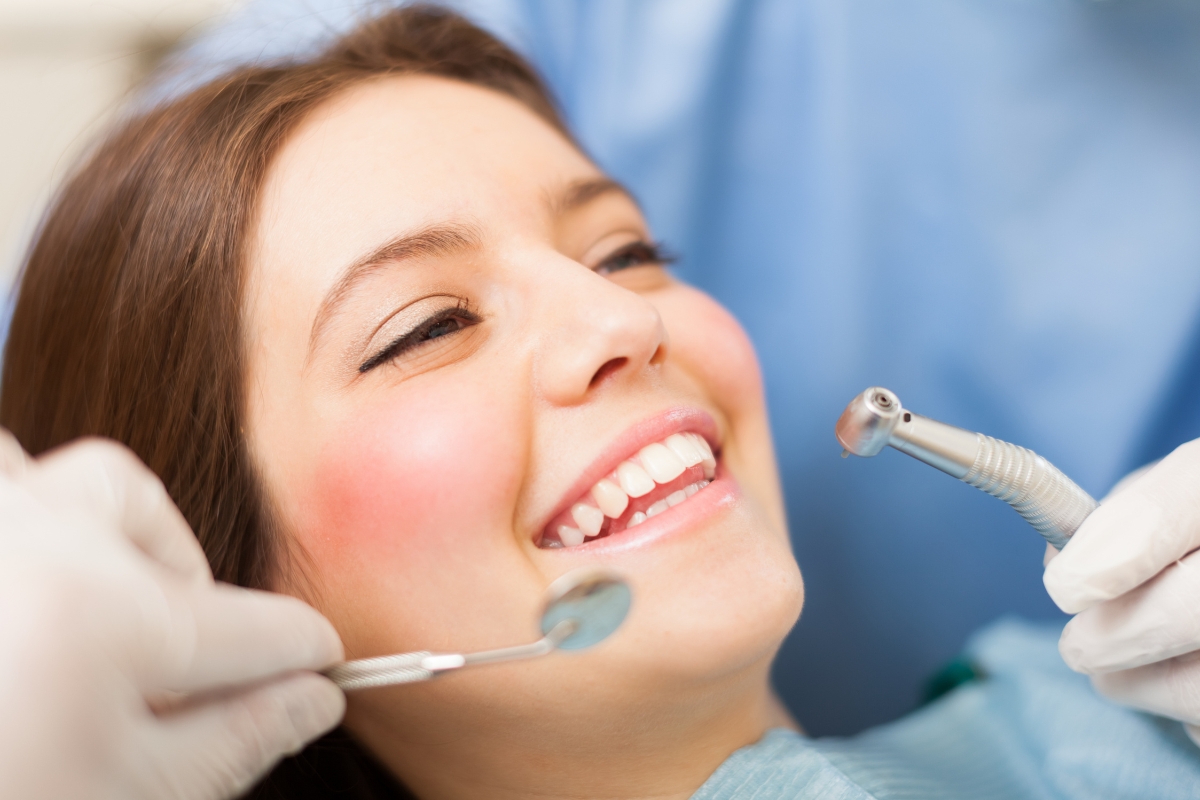
Most people think dental sealants are just for kids, but honestly, adults can get a lot out of them too. Maybe you’re wondering if you really need sealants, especially if you’ve made it this far without a single cavity. The thing is, even if your teeth are healthy now, sealants can help keep them that way. Sometimes, just knowing a bit more about what sealants do can help you decide if they’re worth it.
What are dental sealants?
Picture a thin, plastic coating painted onto the chewing surfaces of your back teeth—molars and premolars. Those back teeth have all these little grooves and pits where food and bacteria love to hide out. It’s tough to get them totally clean, so decay often starts there. Sealants act like a shield, blocking out the stuff that causes cavities.
Yes, dentists usually recommend sealants for kids and teens, but adults can absolutely benefit, primarily if you’ve managed to avoid cavities for years. Think of sealants as a proactive move to keep your teeth in great shape.
Why Adults Should Consider Dental Sealants
Well, even if you’re cavity-free right now, your teeth still face the daily onslaught of plaque and bacteria. Over time, those grooves can turn into problem spots. Sealants serve as a simple, effective barrier, helping you avoid future decay before it starts.
Here’s why sealants are suitable for adults:
- They protect you from future cavities in the long term. Even if you don’t have cavities today, sealants help you keep them that way.
- They save you money. Getting sealants now is way less expensive than dealing with fillings or crowns later.
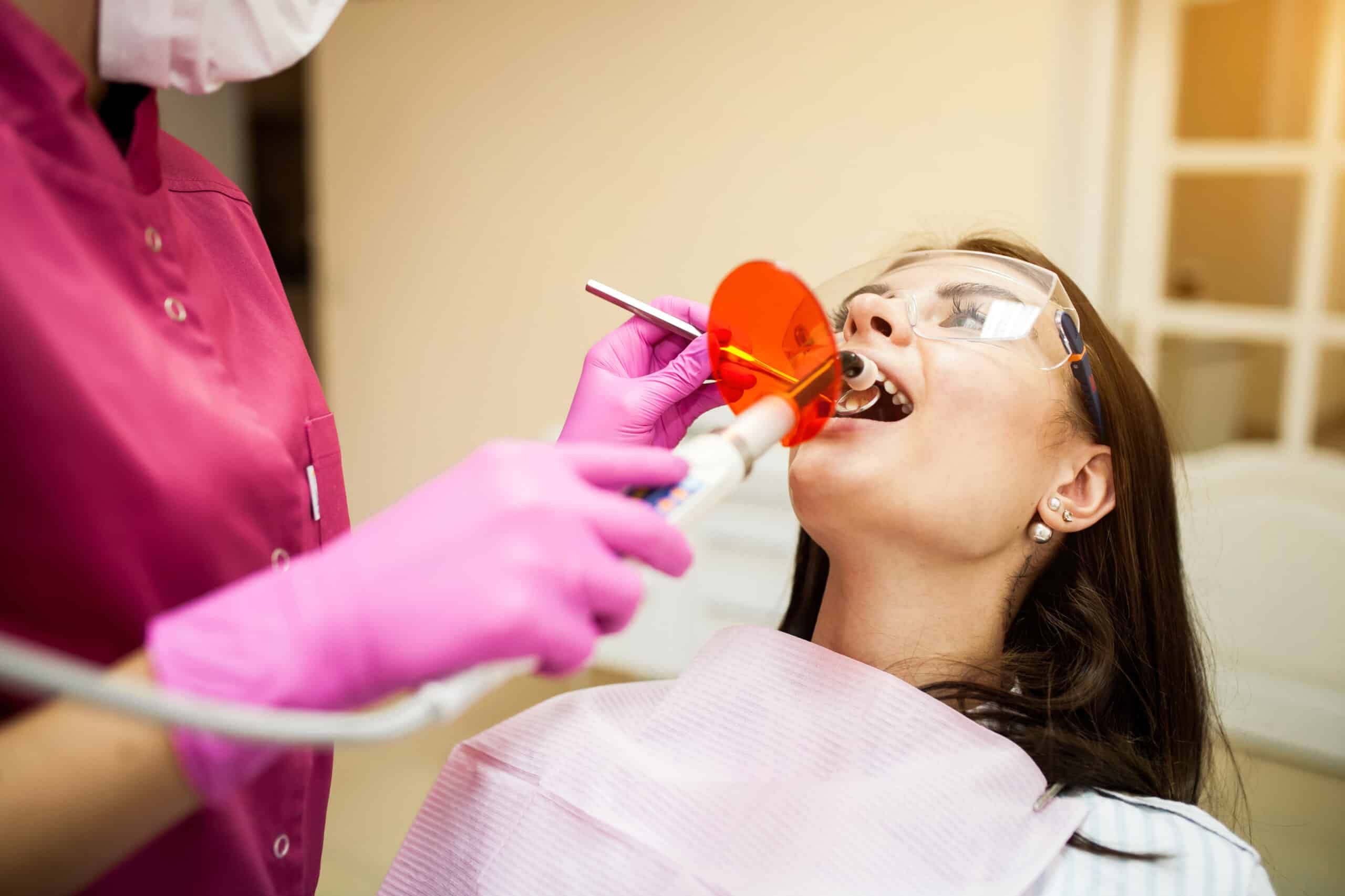
- The procedure is quick and painless. One visit, no drilling, no hassle. Your dentist brushes them on, shines a UV light, and you’re done.
- They last. With proper care, sealants can last for years—sometimes up to a decade.
Getting sealants as an adult is basically the same as for kids. Your dentist cleans your teeth, preps the surface, brushes on the sealant, and hardens it with a light. Usually, the focus is on your molars and premolars—those teeth with the deep grooves. Sealants can even be applied over teeth that already have fillings, offering an additional layer of protection.
Are Dental Sealants Safe for Adults?
Don’t be worried. Sealants have been around for decades and are totally safe for adults. They’re well tested and approved by dental organizations such as the ADA. They don’t damage your teeth—in fact, they help protect your enamel from everyday wear and tear.
If you have sensitive teeth, sealants might help. They can cover up those tiny cracks or worn spots that make you wince when you eat something hot or cold. Not everyone gets relief, but for some people, sealants lessen sensitivity.
How long do sealants last?
Sealants usually last up to 5 years, depending on how you care for your teeth. Regular dental visits help you keep an eye on them, and if they start to wear down, your dentist can reapply them. Grinding your teeth or eating lots of sweets can wear them out faster, so keep that in mind.
Even if you’re an adult with a perfect dental record, sealants are a smart way to protect your teeth for the long haul. They help you hang onto your healthy smile and avoid more expensive fixes down the road.
Curious if sealants are right for you? Give us a call at Centreville Family and Cosmetic Dentistry and set up a consultation. Let’s keep that smile in top shape.
FAQs
1. How are dental sealants applied to my teeth?
Dental sealants are applied by cleaning your teeth, using an acid solution to help the sealant bond, and then curing the sealant with a special light. The process is quick and painless.
2. Can I still get dental sealants if I have fillings?
Yes, you can still get dental sealants even if you have fillings. Sealants are applied to the chewing surfaces of your teeth, providing additional protection alongside existing dental work.
3. Can dental sealants prevent all cavities?
While dental sealants are highly effective at preventing cavities in molars and premolars, they don’t eliminate the need for regular brushing, flossing, and dental checkups. Sealants are a preventive measure, not a cure-all.
4. How can I maintain my dental sealants?
To maintain your sealants, practice good oral hygiene by brushing and flossing regularly. Visit your dentist for routine checkups to ensure your sealants are intact and functional.