We are not a registered Medicare/Medicaid Provider

Invisalign vs. Traditional Braces: Which is Better for a Busy Lifestyle?

When it comes to orthodontic treatment, busy lifestyles require a seamless solution. Both Invisalign and traditional braces can correct your teeth alignment, but they do so in different ways. If your life involves work, caring for your family, and other commitments, selecting the suitable treatment for your needs is very important.
Both Invisalign and braces can help you achieve your dream smile. In this blog, you will know the significant differences between Invisalign and traditional braces to better understand how they can adjust to your busy schedule.
Invisalign vs Traditional Braces: Key Differences
There are some important considerations to keep in mind when deciding whether Invisalign or conventional teeth-straightening options like braces are best for you. We can take a closer look at the main differences between the options.
1. Treatment Approach: Invisalign vs. Metal Brackets
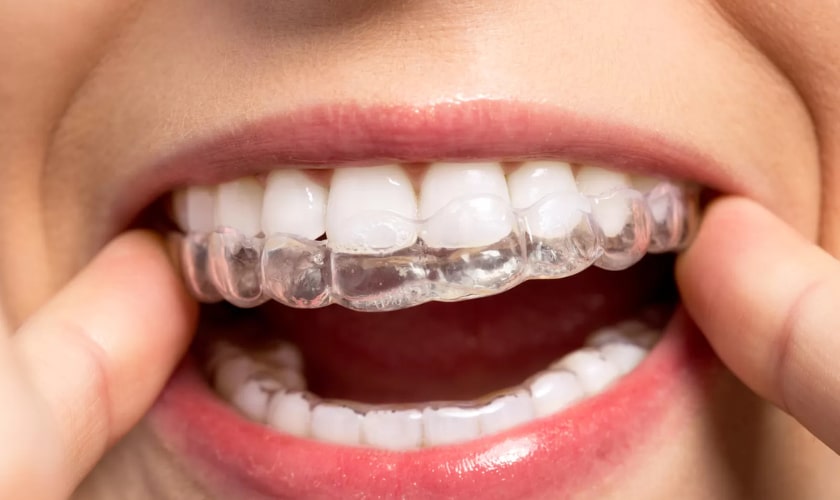
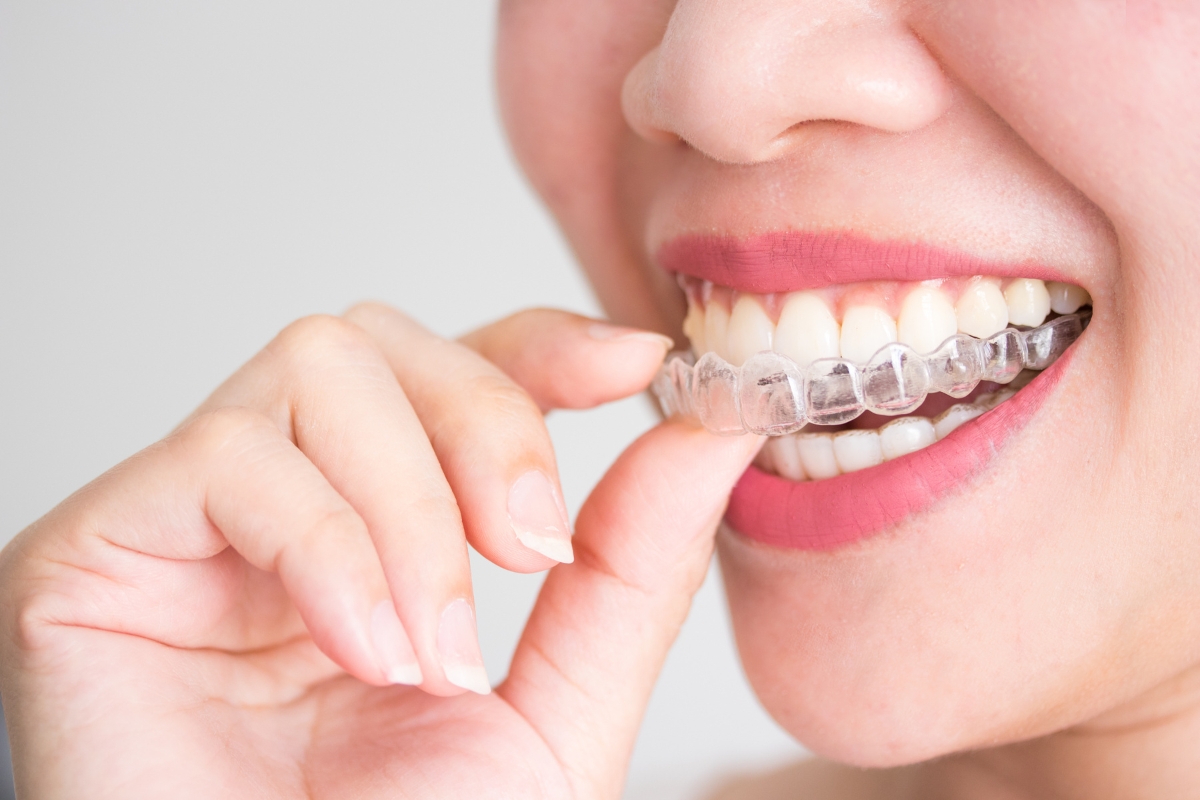
Invisalign uses clear aligners designed specifically for an individual’s teeth, gradually moving them into their proper positions. These aligners are easily removable, for example, while eating or brushing teeth, which is ideal for those with hectic lifestyles and minimizes disruption to their schedule.
Conversely, traditional braces may include metal brackets attached to one’s teeth, with wires that the orthodontist adjusts from time to time. Even though braces work well for people with serious teeth alignment issues, they cannot be removed. This compromises one’s lifestyle, as they will be required to change how they perform certain functions, such as eating differently. Additionally, they will be required to invest time in cleaning their teeth.
2. Comfort & Fit: Soft Plastic vs. Metal Pieces
One of the most noticeable differences between traditional braces and Invisalign in Centreville, VA, is the level of comfort they provide. This is because the plastic used in Invisalign braces is quite smooth, causing little to no irritation to your gums and teeth. Another advantage is that they will fit comfortably around your teeth. This is because they are custom-made to fit around your teeth. This means that you will be able to remove the braces and wear them as you like. This is convenient because you can remove the braces during meals.
In traditional braces, the presence of metal and wires may cause aching and irritation to the user. The metal may irritate the inside of your mouth. Finally, food may be trapped between the wires and metal brackets. Personal oral hygiene during the process may be a problem, as food can easily get trapped in the mouth, posing a challenge for a busy person.
3. Aesthetic Issues: Osteoarchaeological Finds
One of the pros of using the Invisalign appliance is that the aligners are not visible, making it the preferred choice for individuals who want to undergo treatment discreetly. Regardless of the setting you find yourself in, be it in meetings or with family and friends, the aligner ensures your teeth are straight without raising any suspicions about the process.
On the other hand, conventional braces are very noticeable. While the design of traditional braces has improved, with ceramic braces being smaller and more discreet, they still do not offer the same level of concealability as Invisalign. If you wish to conceal your braces, Invisalign would be the better option.
4. Maintenance and Flexibility: Simplified Maintenance of Aligners
Invisalign’s aligners are removable, offering the most significant advantage in terms of maintenance. With Invisalign, you can remove them when you have to eat, drink, or even brush your teeth. This way, oral hygiene is easy to take care of because all you have to clean are your teeth and Invisalign’s aligners.
The main thing about traditional braces is that their maintenance is relatively more. You must be cautious about what you eat to avoid damaging your braces. While cleaning and flossing also require different techniques, this may not be ideal if you have a very hectic schedule, as it will take more time.
5. Treatment Duration: How Long Will It Take?
The length of orthodontic treatment may vary depending on the individual case. Invisalign treatments are usually shorter than traditional braces for those with minor orthodontic alignment problems. Most treatments for straightening teeth using this system generally last for 12 to 18 months, but this information should be discussed with an orthodontic practitioner.
Traditional braces, particularly for complex cases, might take longer, specifically between 18 and 24 months. Frequent follow-ups are necessary for these patients to ensure treatments continue to progress. Busy patients might find conventional brackets inconvenient, especially if considering frequent trips to the office for check-ups.
Which Option is Best for Your Lifestyle?
Deciding between Invisalign and traditional braces is an important decision that should be based on your lifestyle and needs. Invisalign is convenient and easy to undergo if you have a hectic lifestyle. Traditional braces are effective; however, they do require greater maintenance and even involve visible devices that may not appeal to your aesthetic sensibilities.
Are you ready to make the best decision for your orthodontic care? Centerville Family and Cosmetic Dentistry offers both Invisalign and braces to meet the distinct needs of our patients. Our team is here to walk you through this process and help you begin your path to a confident, lovely smile.
FAQs
1. How long does Invisalign treatment take?
Invisalign typically takes about 12 to 18 months, but the exact duration depends on your individual case. Your orthodontist will provide a more accurate timeline during your consultation.
2. Can I eat with Invisalign?
No, you should remove your Invisalign aligners before eating or drinking anything other than water. This ensures the aligners remain clean and undamaged.
3. Are traditional braces painful?
While traditional braces can cause some discomfort, especially after adjustments, the pain is usually temporary. Over-the-counter pain relief can help manage the discomfort.
4. Can I play sports with Invisalign or braces?
Yes, both Invisalign and traditional braces allow you to play sports. However, if you wear braces, you may need a mouthguard to protect your teeth. Invisalign aligners are removable so that you can take them out during sports.
5. Do I need to wear a retainer after treatment?
Yes, after completing either Invisalign or braces treatment, it’s essential to wear a retainer to maintain your results. Your orthodontist will guide you on the best retention plan.
6. Can I clean Invisalign aligners myself?
Yes, Invisalign aligners are easy to clean. You can rinse them with lukewarm water and brush them with a toothbrush. Regular cleaning helps prevent stains and ensures a hygienic treatment.