We are a registered Medicare Provider


Signs You Need a Dental Crown ASAP

A sharp pain when you bite into food. A sudden crack you can feel with your tongue. Or that lingering sensitivity that refuses to go away. These are not minor inconveniences. They are early warning signs that your tooth may be in trouble. Many people ignore these signals, hoping the discomfort will pass on its own.
In reality, delaying care often leads to bigger damage and more complex treatment. What starts as a small crack can quickly turn into a serious fracture.
This blog will help you recognize when your tooth needs immediate attention and what steps to take next. If you’ve noticed any changes in how your teeth feel or function, understanding these signs early can make all the difference in protecting your smile and avoiding unnecessary complications.
What a Dental Crown Actually Does for Your Tooth
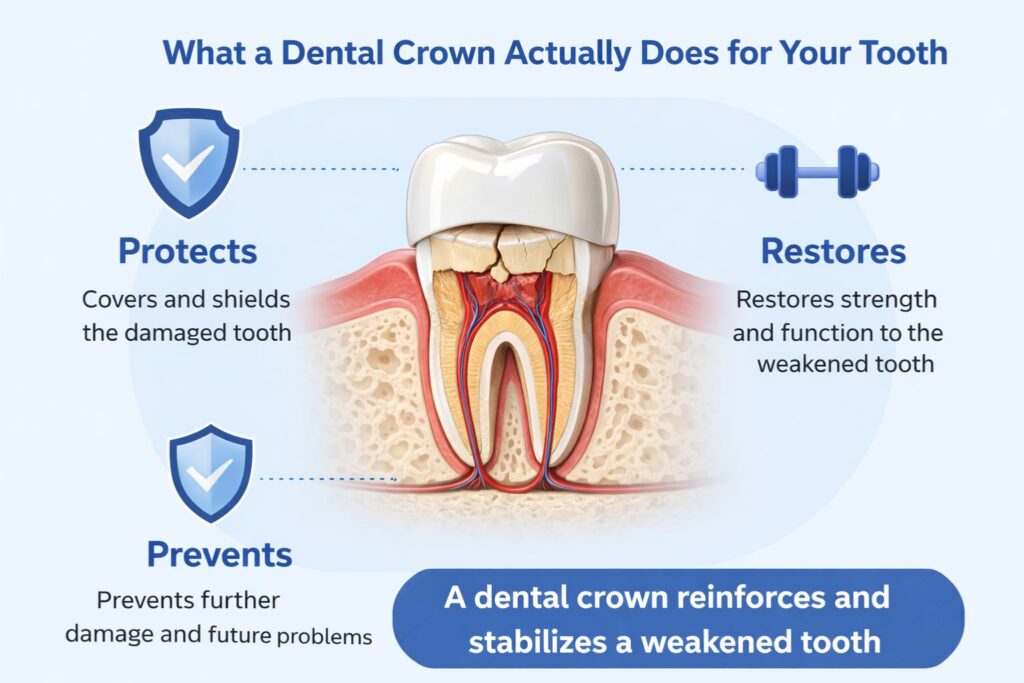
A dental crown acts like a protective shield for a weakened tooth. It covers the entire visible surface, restoring both strength and function. When a tooth loses its structure due to damage or decay, it cannot handle normal pressure. This is where dental crowns play a critical role in stabilizing and preserving the tooth.
Instead of simply filling a damaged area, a crown reinforces the entire tooth. Dental crowns in Centreville help distribute biting forces evenly, reducing the risk of further cracking. This is especially important when chewing tougher foods or dealing with daily wear.
Crowns are commonly used when a tooth can no longer support itself. For example, a cracked tooth often needs full coverage to prevent it from splitting further. Teeth with large fillings also benefit from crowns, as the remaining natural structure may not be strong enough. After a root canal, the tooth becomes more brittle, making protection essential.
At practices like Centreville Family and Cosmetic Dentistry, the focus is on preserving your natural tooth whenever possible. A crown allows that to happen by restoring strength while maintaining your natural bite and comfort. It’s not just about fixing damage. It’s about preventing future problems and helping your tooth function the way it should.
Clear Signs You May Need a Dental Crown Immediately
Pain When Biting or Chewing
Pain under pressure often signals internal damage. When you bite down and feel discomfort, it may indicate a crack or weakened structure. This type of pain rarely resolves on its own and usually worsens over time.
Visible Cracks or Fractures
Even a small crack can become a serious issue. Teeth do not heal like other parts of the body. A visible fracture increases the risk of the tooth breaking further, especially during normal chewing.
Tooth Feels Weak or Worn Down
If your tooth feels thinner or uneven, it may be wearing down due to grinding. Bruxism places constant pressure on teeth, causing gradual weakening. Over time, this can lead to structural instability.
Severe Sensitivity to Hot or Cold
Sharp or lingering sensitivity can indicate enamel loss. When the inner layer of the tooth becomes exposed, it reacts more strongly to temperature changes. This often points to more serious damage that needs protection.
Large Filling That’s Failing
Old fillings can weaken the surrounding tooth. As the filling expands or breaks down, the remaining structure becomes vulnerable. This increases the risk of sudden fractures.
After a Root Canal Treatment
A tooth that has undergone root canal therapy loses its internal vitality. Without proper reinforcement, it can become brittle and prone to breaking. A crown helps restore durability and long-term function.
What Happens If You Delay Getting a Crown
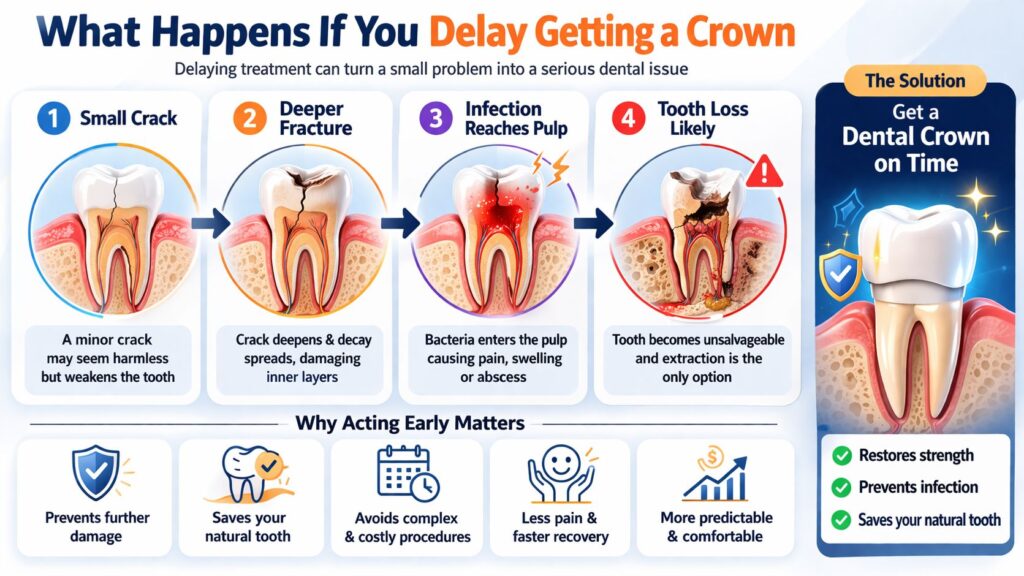
Delaying treatment can turn a manageable issue into a serious dental problem. A weakened tooth does not improve on its own. Instead, it continues to deteriorate under everyday pressure.
A small crack can deepen over time. What might have been saved with a simple restoration could eventually split the tooth completely. At that stage, saving the tooth becomes much more difficult.
There is also an increased risk of infection. When damage exposes the inner layers of the tooth, bacteria can enter and cause inflammation or an abscess. This often leads to pain, swelling, and the need for more involved procedures.
In some cases, delaying treatment may result in tooth loss. Once a tooth is beyond repair, extraction becomes the only option. This can affect your bite, surrounding teeth, and overall oral health.
Addressing the issue early helps preserve your natural tooth and avoids more complex treatment. Acting at the right time keeps the process simpler, more predictable, and more comfortable.
How Dentists Evaluate If You Need a Crown
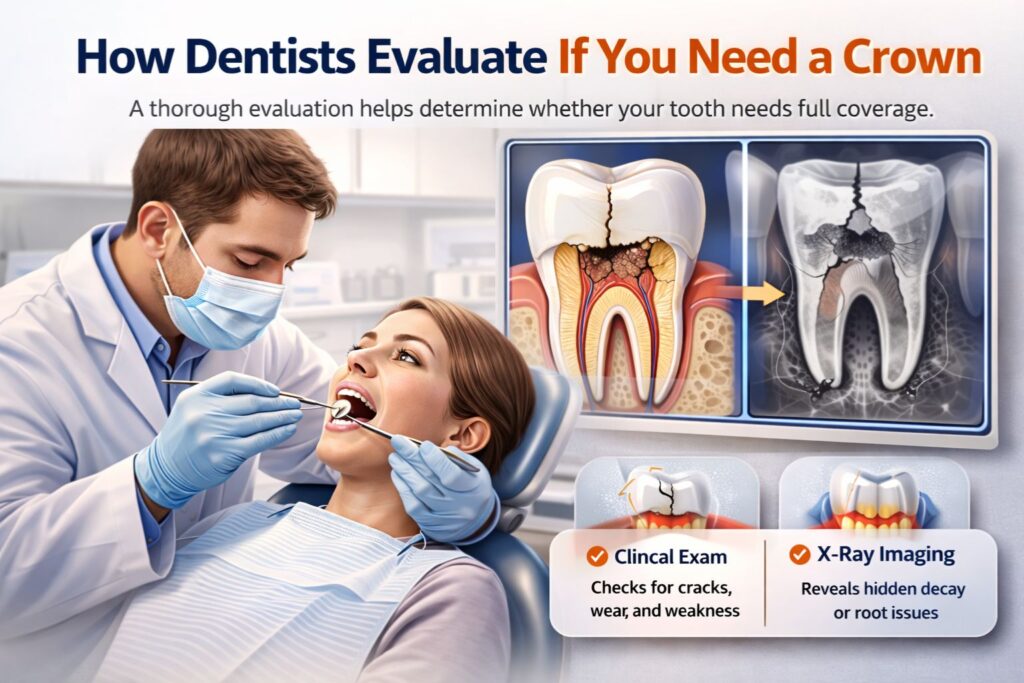
A thorough evaluation helps determine whether your tooth needs full coverage. Dentists look beyond visible damage to assess the overall health and strength of the tooth.
The process usually begins with a clinical exam. Your dentist checks for cracks, wear, and areas of weakness. They may ask about symptoms such as pain when chewing or sensitivity to temperature.
X-rays provide a deeper view of the tooth’s internal structure. This helps identify hidden damage, decay, or issues affecting the root. It also shows how much of the natural tooth remains.
Bite assessment plays an important role as well. Uneven pressure can contribute to damage over time. Understanding how your teeth come together helps guide the best treatment approach.
Your dental history also matters. Previous fillings, trauma, or grinding habits can influence the decision. By combining all these factors, your dentist creates a clear picture of what your tooth needs.
Early evaluation allows for timely intervention. It helps prevent minor issues from turning into major concerns and supports long-term oral health.
What to Expect During the Crown Procedure
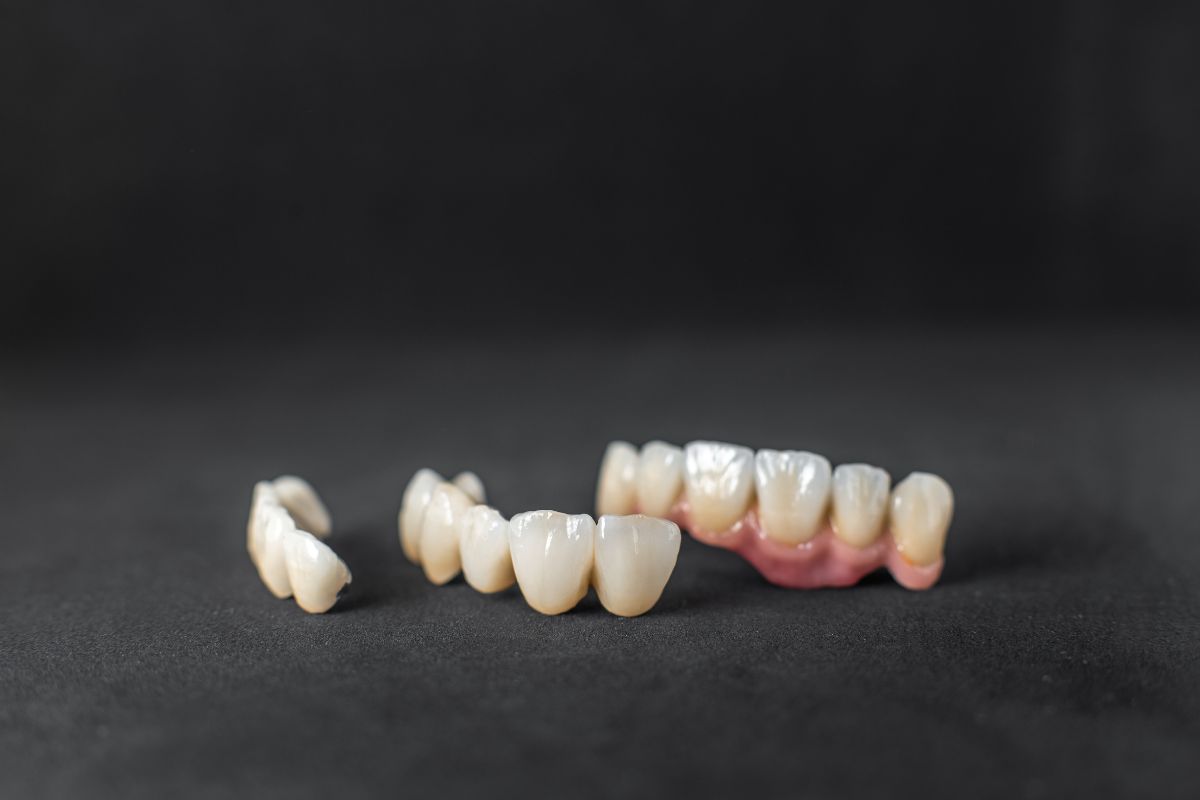
The process is straightforward and designed to restore your tooth efficiently. It typically involves two visits, ensuring both precision and comfort.
During the first visit, the tooth is carefully prepared. This involves reshaping the surface to make room for the dental crown. Any damaged or weakened areas are removed to create a stable foundation.
Next, an impression or digital scan is taken. This ensures the crown fits accurately with your bite and surrounding teeth. A temporary crown is placed to protect the tooth while the final one is created.
At the second visit, the temporary crown is removed. The final crown is then placed and adjusted for comfort. Your dentist checks the fit and bite before securing it in place.
The result feels natural and allows you to chew comfortably. Most patients adjust quickly and return to normal activities without disruption.
How Long Do Dental Crowns Last with Proper Care
With proper care, a crown can last many years. Most dental crowns in Centreville remain functional for a decade or longer, depending on daily habits and maintenance.
Good oral hygiene plays a major role in longevity. Brushing and flossing help prevent decay around the edges. Regular dental visits also allow early detection of any issues.
Grinding or clenching can reduce the lifespan of a dental crown. Using a night guard helps protect both the crown and natural teeth from excessive force.
Diet also matters. Avoiding hard foods and chewing ice can prevent unnecessary stress. Treating your crown with care helps maintain its strength over time.
Routine maintenance ensures your restoration continues to function effectively. With the right approach, it becomes a long-term solution for protecting your tooth.
How to Protect Your Teeth and Avoid Future Damage
Preventing damage starts with simple, consistent habits. Protecting your teeth reduces the chances of needing extensive treatment later.
If you grind your teeth at night, a custom night guard can help. It reduces pressure and prevents wear. Regular dental checkups allow early detection of small issues before they become serious.
Avoid using your teeth as tools. Biting hard objects or opening packages can cause cracks. Being mindful of these habits helps maintain tooth strength.
Addressing minor concerns early makes a significant difference. A small repair is always easier than treating advanced damage. Staying proactive keeps your teeth healthy and functional.
When to See a Dentist Without Delay
Some symptoms should not be ignored. Persistent pain, even if mild, often signals an underlying issue. Waiting rarely improves the situation.
A sudden crack or break requires immediate attention. Acting quickly increases the chances of saving the tooth. Swelling or discomfort may indicate infection and needs prompt care.
If something feels different when you bite or chew, it’s worth getting checked. Changes in function often point to structural problems.
Seeking care early provides clarity and peace of mind. It allows your dentist to address the issue before it becomes more complicated.
Ignoring dental symptoms can lead to unnecessary complications. Taking action early helps preserve your natural tooth and keeps treatment simple. If you’ve noticed any warning signs, now is the right time to get clarity.
The team at Centreville Family and Cosmetic Dentistry focuses on practical, patient-centered care that protects your long-term oral health. A timely visit can prevent discomfort, reduce future risks, and restore confidence in your smile. Schedule your consultation today and take the first step toward stronger, healthier teeth.
What People Ask
Is pain always present when a crown is needed?
Not always. Some teeth show visible damage or weakness without causing pain, which is why routine dental exams are important for early detection.
Are crowns only used after root canal treatment?
No, crowns are also used for cracked teeth, large fillings, or teeth that are worn down. They provide strength whenever the tooth structure is compromised.
Will my bite feel different after getting a crown?
A properly placed crown should feel natural and comfortable. Your dentist adjusts it carefully to match your bite and ensure smooth chewing.
Is sensitivity after getting a crown normal?
Mild sensitivity can occur for a short time after placement. It usually fades as your tooth adjusts, but persistent discomfort should be evaluated by your dentist.
Do crowns require special care compared to natural teeth?
Crowns do not require special products, but consistent brushing and flossing are essential. Maintaining healthy gums and surrounding tooth structure helps extend their lifespan.