We are a registered Medicare Provider


The Science Behind Dental Implant: How Osseointegration Makes It Successful

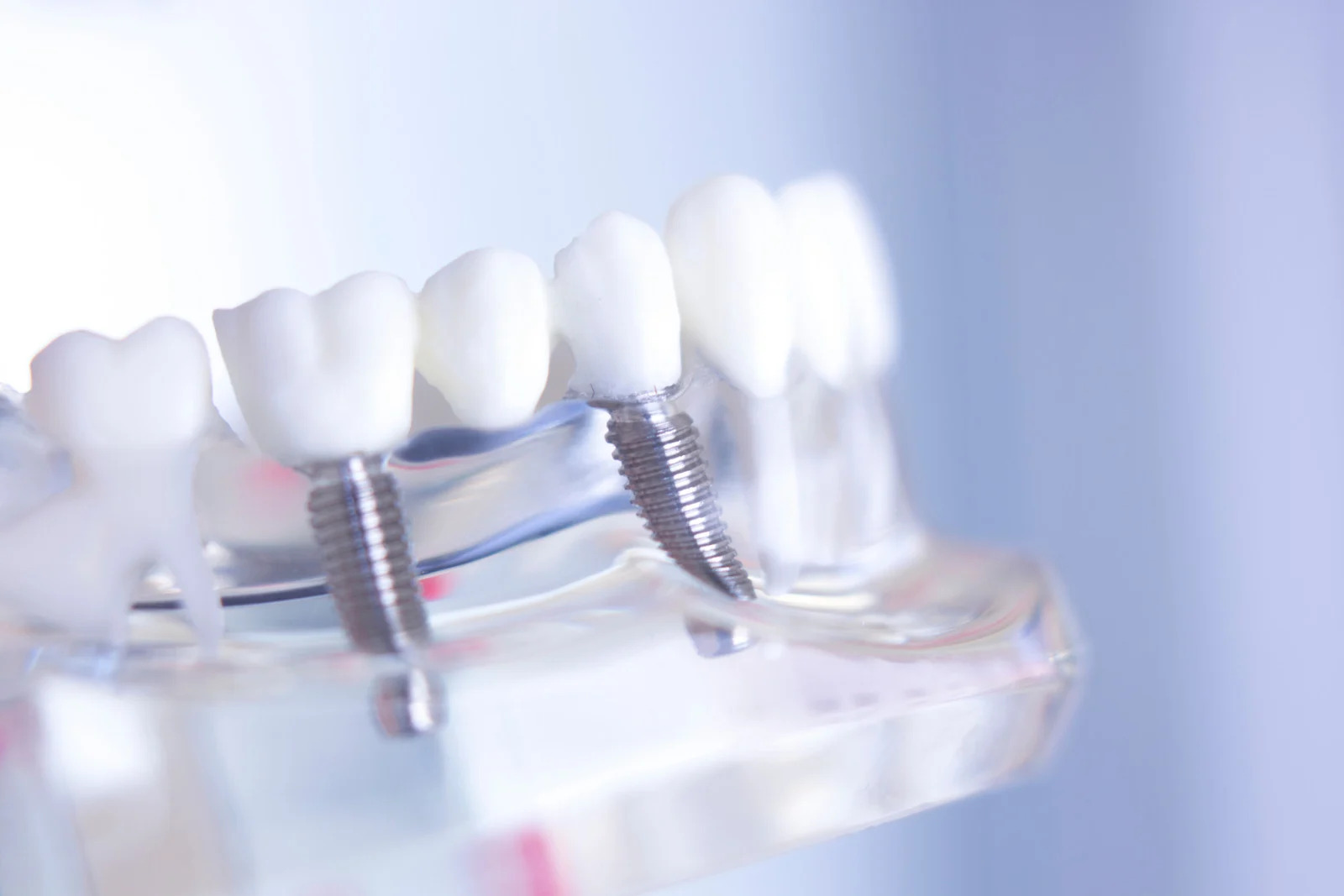
In this exploration of the science behind dental implant, we delve into the pivotal role of osseointegration in rendering implant dentistry successful. Understanding this process is essential, for it unveils the secret to the unrivaled stability, longevity, and functionality of implants.
From defining osseointegration and unraveling its integration mechanism within the bone to examining the factors influencing its success, we begin a journey to comprehend how this natural bonding transforms implants into more than just replacements but reliable, enduring fixtures that restore not just smiles but also confidence and functionality. Join us in uncovering the captivating world of osseointegration and its transformative impact on implant dentistry.
Osseointegration In Dental Implant
Osseointegration serves as the biological foundation that enables the fusion of the bone with the implanted device. This process, which occurs gradually over time, involves the integration of the artificial tooth root with the patient’s jawbone. It’s a meticulous and natural fusion that anchors the implant securely, providing stability and mimicking the strength of a natural tooth root.
The Success Of Osseointegration
Various factors influence the success of osseointegration, the foremost being the overall health of the patient. Conditions such as diabetes or osteoporosis can impact the bone’s ability to integrate with the implant. Moreover, the design and material of the implant play a crucial role. Advances in implant materials and designs continuously aim to optimize this integration process, enhancing the chances of successful osseointegration.
The Importance Of Osseointegration
The importance of osseointegration in implant success cannot be overstated. Its seamless integration ensures the long-term stability and durability of Dental Implant in Centreville, VA offering patients a reliable and enduring solution for tooth replacement. Additionally, a well-integrated implant significantly reduces the chances of complications or failure, ensuring a higher success rate and improved quality of life for patients.
Recent advancements in osseointegration research have been focused on enhancing this integration process further. Innovations in surface modifications of implant materials aim to promote faster and stronger integration, reducing the recovery period and enhancing overall success rates. Additionally, developments in bioactive coatings and regenerative techniques hold promise for future advancements in implant dentistry, potentially revolutionizing the field by improving outcomes and patient experiences.
Osseointegration stands as the cornerstone of success in implant dentistry. Its role in ensuring the stability, durability, and overall success of dental implants cannot be overstated. This intricate process transforms implants from mere replacements to functional and natural-looking teeth, reinstating smiles and confidence for those seeking a permanent solution for tooth loss.