We are a registered Medicare Provider


When Is Tooth Pain an Emergency: Extraction vs. Waiting


Tooth pain can strike without warning. Knowing when is tooth pain an emergency — extraction vs. waiting in Centreville — could save your smile and your health. Not every ache demands same-day treatment. But some dental situations are genuinely urgent and require immediate professional attention. This guide helps you understand the difference so you can make smart, confident decisions.
Common Causes of Severe Tooth Pain in Centreville Patients
Tooth pain comes in many forms. The cause determines how quickly you need care. Understanding the source is the first step toward relief.
Here are the most frequent reasons patients experience severe tooth pain:
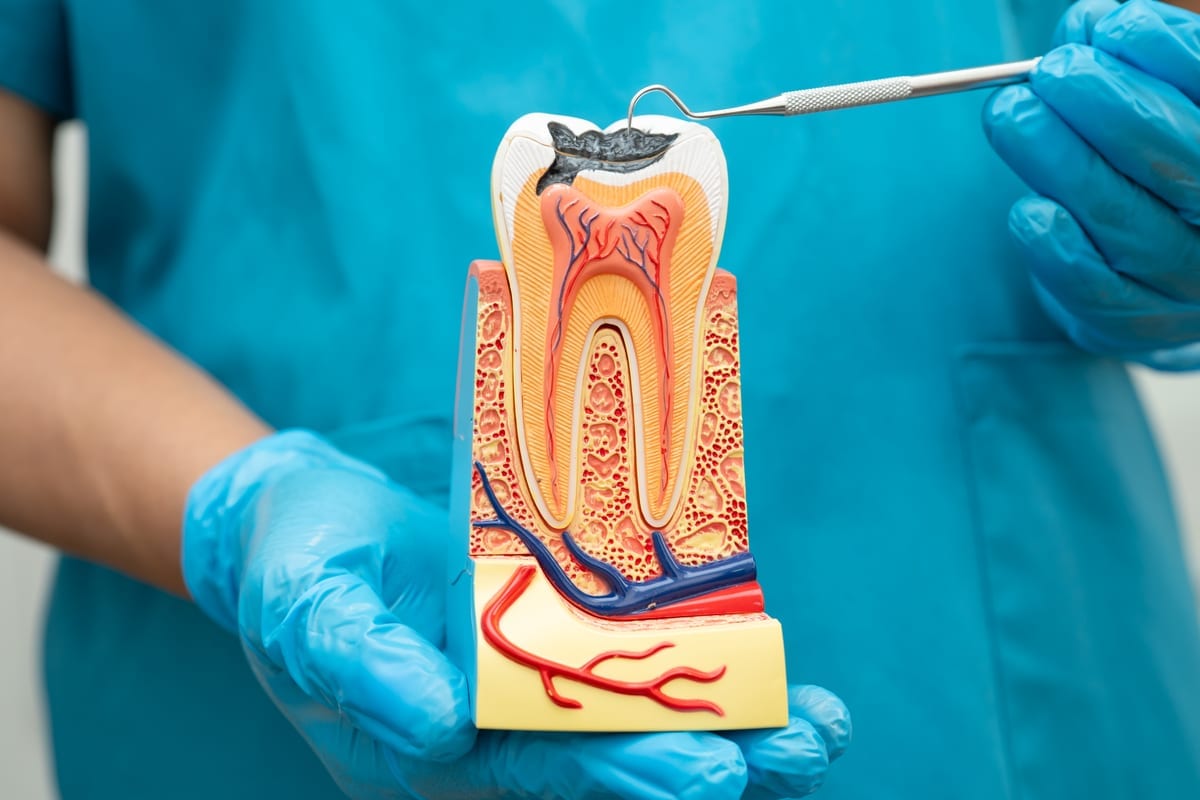
- Deep tooth decay — Bacteria eat through enamel and reach the sensitive inner pulp
- Dental abscess — A pocket of infection that can spread rapidly to your jaw or neck
- Cracked or fractured tooth — Cracks expose nerves and cause sharp, unpredictable pain
- Gum disease (periodontitis) — Advanced gum infection that causes aching, swelling, and bone loss
- Impacted wisdom teeth — Teeth that cannot fully erupt press against neighboring teeth and tissue
- Tooth grinding (bruxism) — Chronic grinding wears enamel and stresses the jaw joint
Each of these has a different urgency level. Some require extraction or other treatment within hours. Others allow time for a scheduled appointment. Dr. Paul Han helps Centreville patients identify which category their pain falls into every day.
True Dental Emergencies: When Tooth Pain Cannot Wait in Centreville
Some symptoms signal that waiting is dangerous. A dental abscess is among the most serious emergencies. Infection can spread to your jaw, throat, or even your brain if left untreated. Seek same-day care if you notice swelling in your face, jaw, or neck alongside tooth pain.
Other signs that demand immediate attention include:
- Fever combined with tooth or gum pain
- A knocked-out or fully displaced tooth
- Uncontrolled bleeding in the mouth
- Severe, throbbing pain that does not respond to over-the-counter medication
- A broken tooth with exposed nerve or sharp edges cutting your tongue
- Difficulty swallowing or breathing due to oral swelling
If you experience any of these symptoms, do not wait for a routine appointment. Contact Centreville Family and Cosmetic Dentistry right away. Dr. Han provides emergency dentistry services designed to address urgent cases quickly and compassionately.
A knocked-out tooth has the best chance of being saved within 30 to 60 minutes. Store it in milk or saliva and call us immediately. Time truly matters in these situations.
When Tooth Pain Can Wait: Scheduling vs. Same-Day Care
Not every dental discomfort is a crisis. Some pain is uncomfortable but stable enough for a scheduled appointment within a few days. Understanding this distinction saves you unnecessary stress and helps you use emergency care appropriately.
Tooth pain that can typically wait includes mild sensitivity to hot or cold foods. This often points to early decay or minor enamel erosion. A dull ache around a recently filled tooth is also usually not an emergency. Post-procedure soreness is normal and often resolves on its own.
Pain from a loose or lost dental crown can feel alarming. However, it rarely requires immediate intervention unless the exposed tooth becomes extremely sensitive. Call our office and we will advise you on temporary steps to take at home until your appointment.
Mild gum tenderness without swelling or fever is another condition that warrants a regular visit rather than emergency care. Monitor symptoms closely. If they worsen over 24 to 48 hours, escalate your response and call us sooner.
Extraction vs. Saving the Tooth: What Dr. Han Recommends
Many patients worry that severe pain automatically means losing a tooth. That is rarely true. Dr. Paul Han always prioritizes saving your natural tooth whenever possible. Extraction is typically a last resort.
Root canal therapy can often eliminate infection and relieve pain while preserving the tooth structure. A dental crown placed after the procedure restores function and appearance. This approach is generally preferable to extraction for most patients.
However, extraction becomes necessary in certain situations. A tooth with severe structural damage that cannot support a crown may need removal. Teeth with advanced bone loss from untreated gum disease sometimes cannot be saved. In these cases, Dr. Han discusses replacement options with you right away.
Replacing an extracted tooth is important for your long-term oral health. Missing teeth cause neighboring teeth to shift. They also lead to jawbone loss over time. Dental Implants Centreville patients trust offer a permanent, natural-looking solution that preserves jawbone integrity. For patients who prefer a non-surgical option, Dental Bridges Centreville residents choose can restore your smile effectively and comfortably.
How to Manage Tooth Pain at Home While You Wait
While you arrange professional care, home management can reduce discomfort. Over-the-counter pain relievers like ibuprofen or acetaminophen help manage mild to moderate pain. Follow dosage instructions carefully and never apply aspirin directly to the gum tissue.
Clove oil contains eugenol, a natural numbing agent. Apply a small amount with a cotton ball to the affected area for temporary relief. Rinsing gently with warm salt water can reduce inflammation and keep the area clean.
Avoid very hot, very cold, or very sweet foods and drinks. These trigger sensitivity and worsen pain. Chew on the opposite side of your mouth to reduce pressure on the painful tooth.
These measures are temporary. They do not treat the underlying cause. Always follow up with Dr. Han even if your pain subsides, because untreated dental problems rarely resolve on their own.
Conclusion: Get the Right Care at the Right Time in Centreville
Understanding when is tooth pain an emergency — extraction vs. waiting in Centreville — empowers you to act wisely. True emergencies like abscesses, knocked-out teeth, or severe swelling demand same-day care. Mild sensitivity and minor soreness can usually wait for a scheduled visit. Either way, Dr. Paul Han and the team at Centreville Family and Cosmetic Dentistry are here to guide you every step of the way. Book Now to schedule your appointment with our team.
Frequently Asked Questions
How do I know if my tooth pain is truly an emergency?
Look for warning signs like facial swelling, fever, severe throbbing pain that does not respond to pain relievers, or a knocked-out tooth. These symptoms require same-day dental care. Mild sensitivity or a dull ache without swelling can usually wait for a scheduled appointment.
Can a dental abscess go away on its own?
No. A dental abscess will not resolve without professional treatment. The infection can spread to your jaw, neck, or other areas of your body. Antibiotics and drainage are required. In some cases, a root canal or extraction may be necessary to eliminate the source of infection.
What should I do if my tooth gets knocked out?
Handle the tooth by the crown, not the root. Rinse it gently without scrubbing and place it back in the socket if possible, or store it in milk or saliva. Call our office immediately. Teeth have the best chance of being reattached within 30 to 60 minutes of being knocked out.
Is extraction always necessary for severe tooth pain?
Not at all. Dr. Paul Han prioritizes saving your natural tooth whenever possible. Root canal therapy combined with a dental crown can often eliminate pain and restore function without extraction. Extraction is recommended only when a tooth is too damaged or infected to save successfully.
What happens if I ignore tooth pain and do not see a dentist?
Untreated tooth pain almost always leads to worsening problems. A small cavity can deepen into an abscess. An abscess can spread and become life-threatening. A cracked tooth can fracture completely. Early intervention is almost always simpler, less costly, and more effective than waiting until a problem becomes severe.