We are a registered Medicare Provider


When Should a Child First Visit a Dental Clinic?


A child’s first visit to a dental clinic often raises one simple question for parents: when is the right time? It may seem early to think about dental care before a full set of teeth appears, yet those first months shape long-term oral health. Waiting for a problem to show up can delay care that could have been simple and preventive.
Children grow quickly, and their oral development follows its own timeline. From the first tooth to early chewing habits, every stage matters. Understanding when to begin professional care helps you stay ahead of issues and make dental visits feel routine rather than stressful.
Why Early Dental Visits Matter More Than You Think
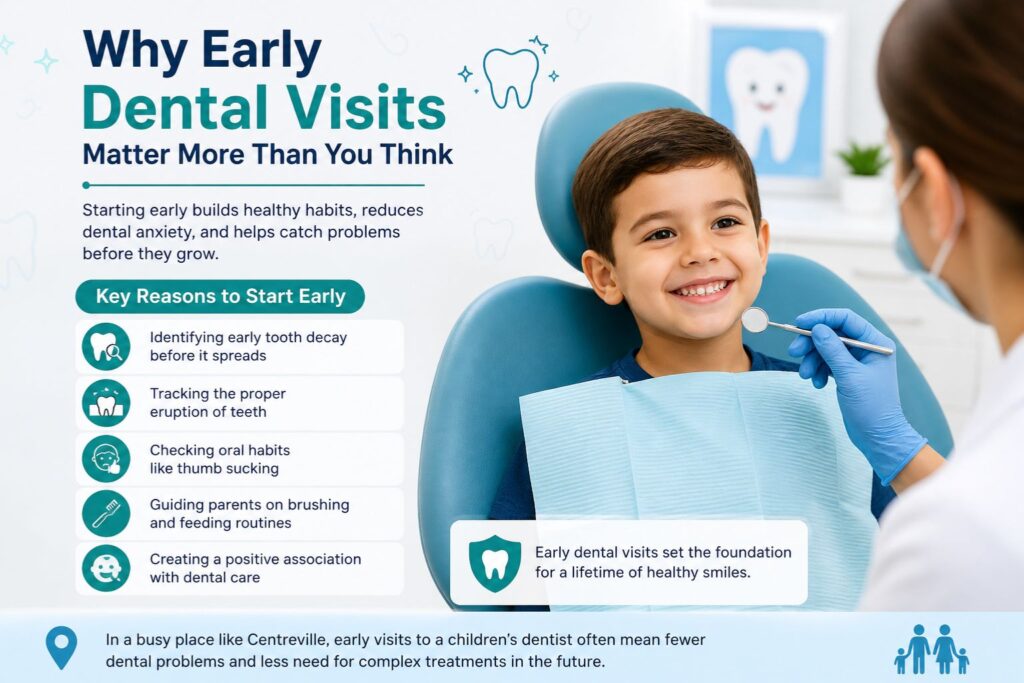
Starting dental visits early is not just about checking teeth. It builds a foundation for healthy habits and helps children feel comfortable in a clinical setting. The earlier a child becomes familiar with a dental environment, the less likely they are to develop anxiety later.
Early visits allow a dentist to monitor growth and catch concerns before they develop into bigger issues. This includes gum health, jaw development, and early signs of decay.
Key reasons to start early include:
- Identifying early tooth decay before it spreads
- Tracking the proper eruption of teeth
- Checking oral habits like thumb sucking
- Guiding parents on brushing and feeding routines
- Creating a positive association with dental care
In a busy place like Centreville, where family routines revolve around school schedules, sports practices, and weekends at local parks, it is easy to delay preventive care. However, early visits to a children’s dentist in Centreville often reduce the need for more complex treatments later.
What Is the Recommended Age for the First Visit?
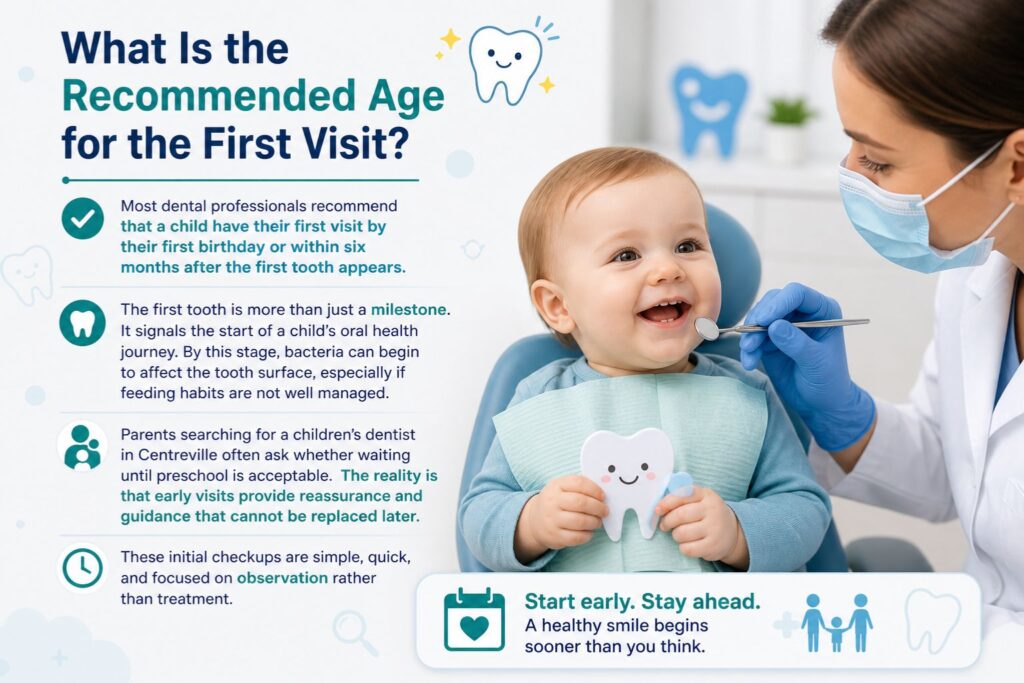
Most dental professionals recommend that a child have their first visit by their first birthday or within six months after the first tooth appears. This may sound early, but it aligns with how quickly oral changes begin.
The first tooth is more than just a milestone. It signals the start of a child’s oral health journey. By this stage, bacteria can begin to affect the tooth surface, especially if feeding habits are not well managed.
Parents searching for a children’s dentist in Centreville often ask whether waiting until preschool is acceptable. The reality is that early visits provide reassurance and guidance that cannot be replaced later. These initial checkups are simple, quick, and focused on observation rather than treatment.
What Happens During the First Visit?
The first visit is designed to be gentle and informative. It is not about complex procedures. Instead, it focuses on making the child comfortable while giving parents useful insights.
During the appointment, the dentist may:
- Examine the gums, teeth, and jaw development
- Check for early signs of decay or irritation
- Discuss feeding and teething patterns
- Offer guidance on brushing techniques
- Answer questions about pacifiers or thumb sucking
Many children sit on a parent’s lap during this visit. This helps them feel more at ease and less anxious. The goal is to create familiarity rather than perform intensive treatment.
Signs Your Child Should Visit Sooner
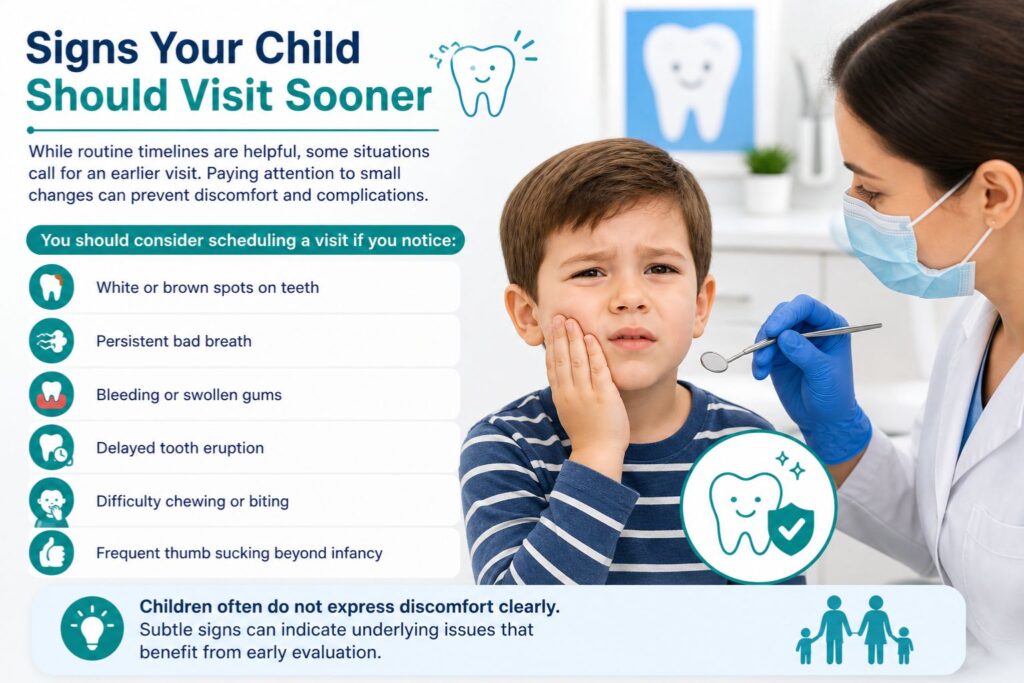
While routine timelines are helpful, some situations call for an earlier visit. Paying attention to small changes can prevent discomfort and complications.
You should consider scheduling a visit if you notice:
- White or brown spots on teeth
- Persistent bad breath
- Bleeding or swollen gums
- Delayed tooth eruption
- Difficulty chewing or biting
- Frequent thumb sucking beyond infancy
Children often do not express discomfort clearly. Subtle signs can indicate underlying issues that benefit from early evaluation.
Getting Your Child Ready for Their First Dental Visit
Preparation plays a big role in how a child reacts to their first appointment. A calm approach helps them feel safe and curious instead of fearful.
Simple ways to prepare include:
- Talking about the visit in a positive tone
- Reading storybooks about dental visits
- Scheduling the appointment during a time your child is well rested
- Avoiding words that may create fear
- Bringing a favorite toy or comfort item
In Centreville, many families plan visits around school breaks or after a relaxing weekend morning. Choosing the right time can make the experience smoother for both the child and the parent.
Building Healthy Habits from Day One
The first visit is not just a one-time event. It sets the stage for lifelong habits. Consistency in oral care makes a noticeable difference as children grow.
Daily routines should include:
- Cleaning gums even before teeth appear
- Brushing twice daily with a small amount of toothpaste
- Limiting sugary snacks and drinks
- Encouraging water after meals
- Scheduling regular checkups
These habits become easier when introduced early. Children adapt quickly when routines feel normal rather than forced.
Common Misconceptions About Early Dental Visits
Many parents delay visits because of common misunderstandings. Clearing these up can help you make better-informed choices.
Some frequent misconceptions include:
- “Since baby teeth are temporary, they don’t require care.”
- “We should wait until all teeth come in.”
- “Dental visits are only needed when there is pain.”
- “Young children will not cooperate during visits.”
In reality, baby teeth guide the eruption of permanent teeth and affect speech, chewing, and overall development. Early care supports all of these functions.
Creating a Positive Long-Term Relationship with Dental Care
A child’s first visit often shapes how they feel about dental care for years. When the experience is calm and supportive, it builds trust.
Children who start early are more likely to:
- Attend regular checkups without resistance
- Maintain better oral hygiene habits
- Feel confident during future procedures
- Communicate openly about discomfort
Over time, these small steps lead to healthier outcomes and fewer complications.
A Thoughtful Start Makes a Lasting Difference
Choosing the right time for a child’s first dental visit is about more than following a guideline. It is about setting a strong foundation for lifelong oral health. Early visits help prevent problems, guide development, and create comfort with routine care.
At Centreville Family and Cosmetic Dentistry, families often begin this journey with a simple first visit that focuses on education and ease. If you have been unsure about timing, this is a good moment to take that step and give your child a confident start.
Questions People Ask About Children’s Dentists
1. What if my child has no teeth by their first birthday?
Even if teeth have not appeared, a visit can still be helpful. The dentist can evaluate gum health and check for developmental concerns. You will also receive guidance on teething and oral care. Early visits ensure that any delays are monitored properly and managed if needed.
2. How long does a child’s first dental visit take?
The first visit is usually short and simple. It often lasts about 20 to 30 minutes. The focus is on examination and discussion rather than treatment. This allows the child to stay comfortable while parents receive important information about oral health and daily care routines.
3. Can I stay with my child during the visit?
Yes, parents are encouraged to stay with their child. Many children sit on a parent’s lap during the exam. This creates a sense of security and helps the child feel relaxed. Being present also allows you to understand the dentist’s recommendations and ask questions directly.
4. What if my child is scared or uncooperative?
It is normal for children to feel unsure during their first visit. Dentists use gentle techniques to help patients feel at ease. Even if the child is not fully cooperative, the visit still provides value. Over time, repeated exposure helps reduce fear and builds comfort.
5. How often should children visit after the first appointment?
Most children benefit from visits every six months. However, the dentist may adjust this schedule based on individual needs. Regular checkups help track development, maintain oral health, and address concerns early before they become more serious or require additional attention.
6. Does thumb sucking affect dental development?
Thumb sucking is common in infants and toddlers. However, if it continues beyond early childhood, it may affect tooth alignment and jaw development. A dentist can evaluate the habit and suggest ways to reduce it gradually while protecting your child’s oral health and development.