We are a registered Medicare Provider


How to Care for a Dental Crown in Centreville, VA

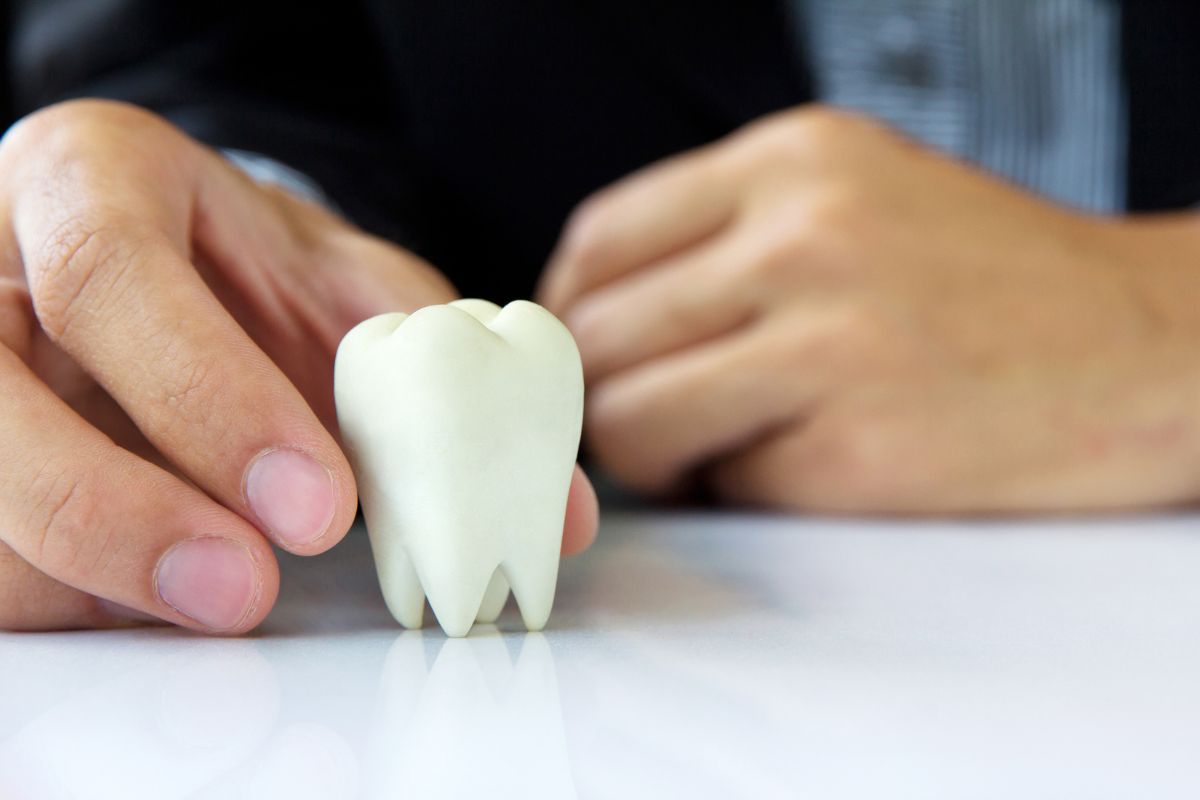
A dental crown is a durable and reliable solution for protecting a weakened tooth or restoring a damaged one. If you live in Centreville, VA, and have recently had a porcelain crown placed, it’s essential to know how to care for it properly to ensure it lasts as long as possible. Caring for your crown isn’t difficult, but like any dental restoration, it requires regular attention to maintain its strength and appearance.
In this blog, we’ll walk you through the basic steps to care for your porcelain crown and maintain a healthy smile for years to come.
What Is a Porcelain Crown?
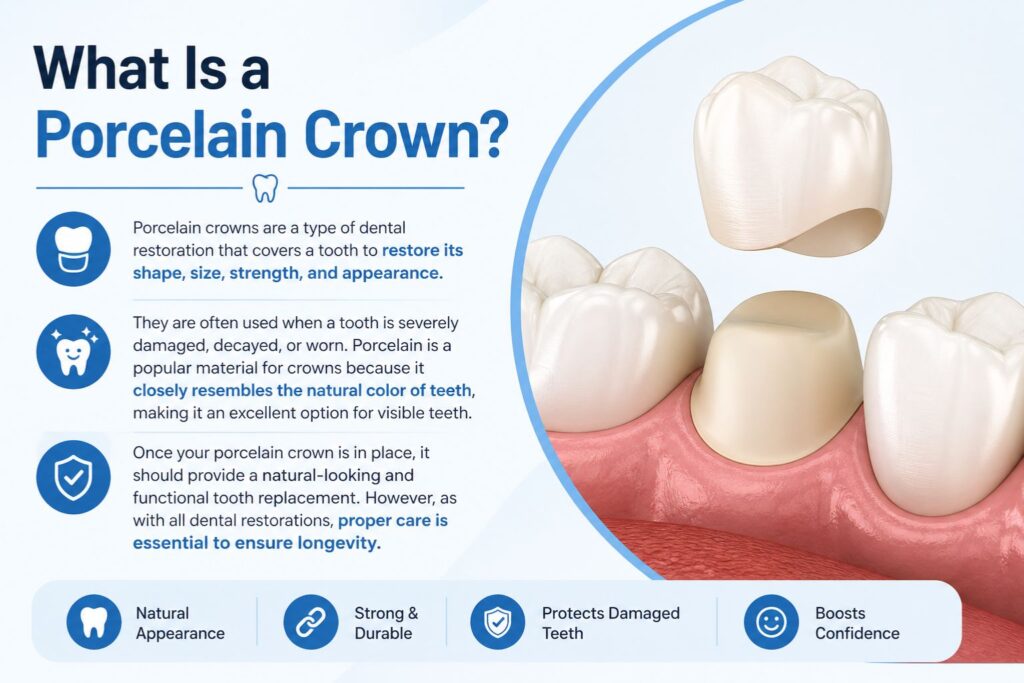
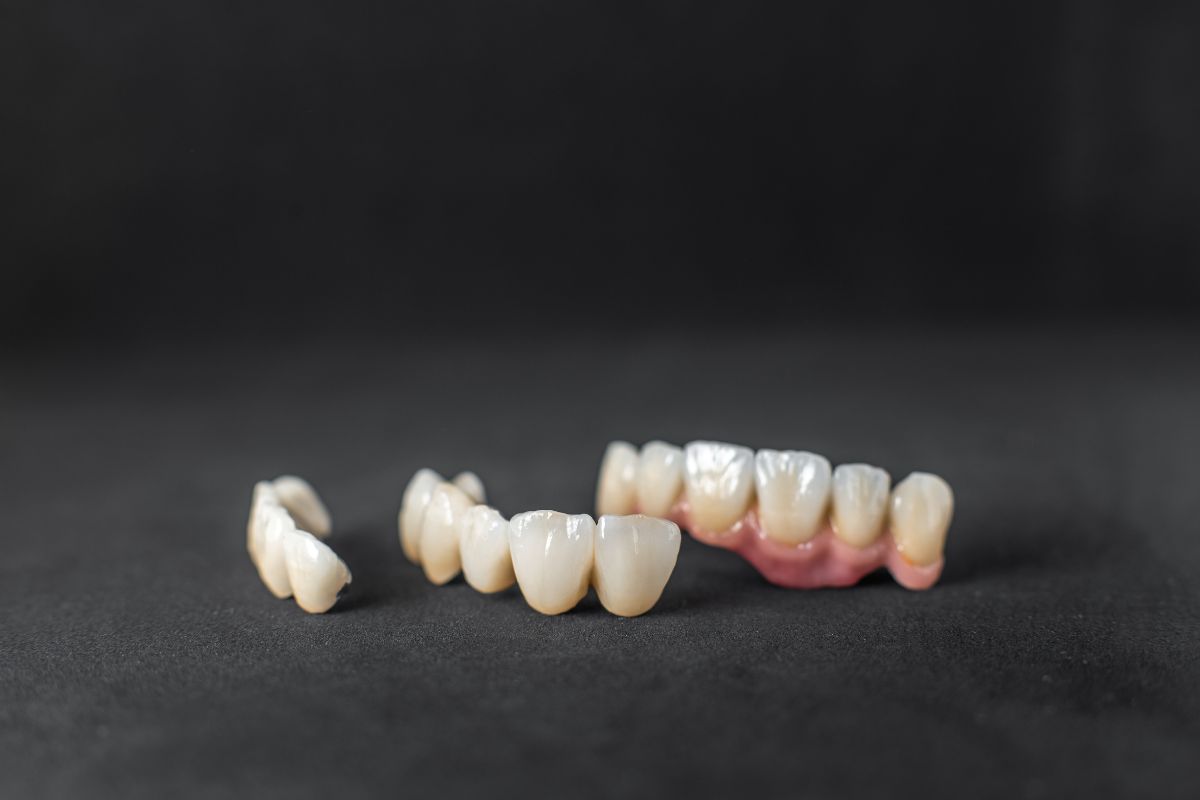
Porcelain crowns are a type of dental restoration that covers a tooth to restore its shape, size, strength, and appearance. They are often used when a tooth is severely damaged, decayed, or worn. Porcelain is a popular material for crowns because it closely resembles the natural color of teeth, making it an excellent option for visible teeth.
Once your porcelain crown is in place, it should provide a natural-looking and functional tooth replacement. However, as with all dental restorations, proper care is essential to ensure longevity.
How to Care for Your Porcelain Crown
Proper care for your porcelain crowns in Centreville, VA, will not only help protect them but also keep your smile looking its best. Here are the most important tips to keep in mind:
1. Brush and Floss Regularly
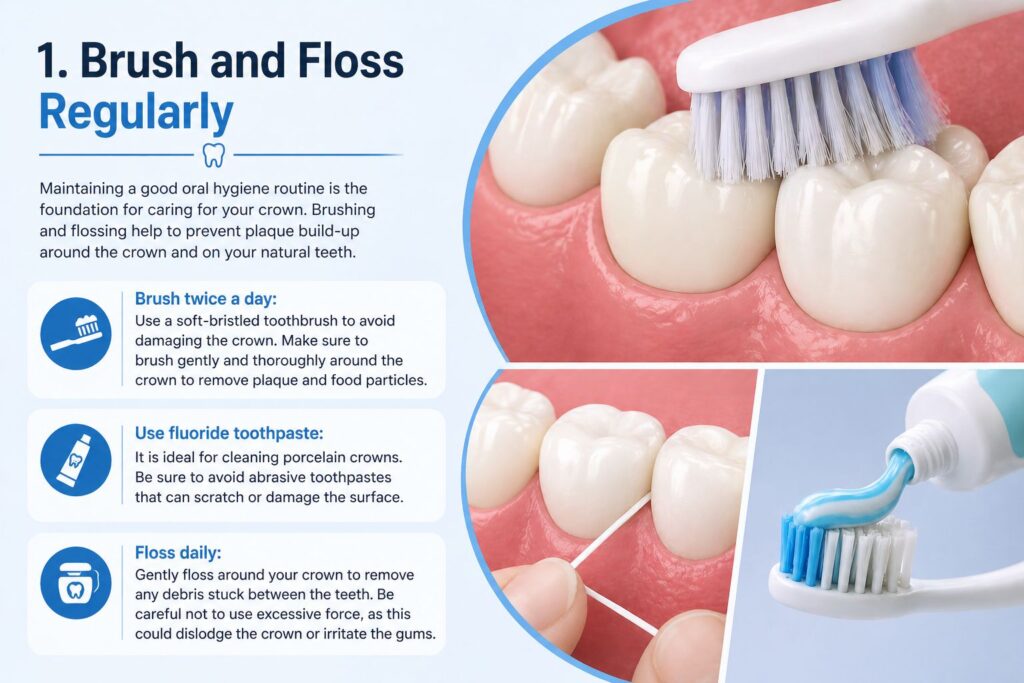
Maintaining a good oral hygiene routine is the foundation for caring for your crown. Brushing and flossing help to prevent plaque build-up around the crown and on your natural teeth.
- Brush twice a day: Use a soft-bristled toothbrush to avoid damaging the crown. Make sure to brush gently and thoroughly around the crown to remove plaque and food particles.
- Use fluoride toothpaste: It is ideal for cleaning porcelain crowns. Be sure to avoid abrasive toothpastes that can scratch or damage the surface.
- Floss daily: Gently floss around your crown to remove any debris stuck between the teeth. Be careful not to use excessive force, as this could dislodge the crown or irritate the gums.
2. Avoid Hard and Sticky Foods
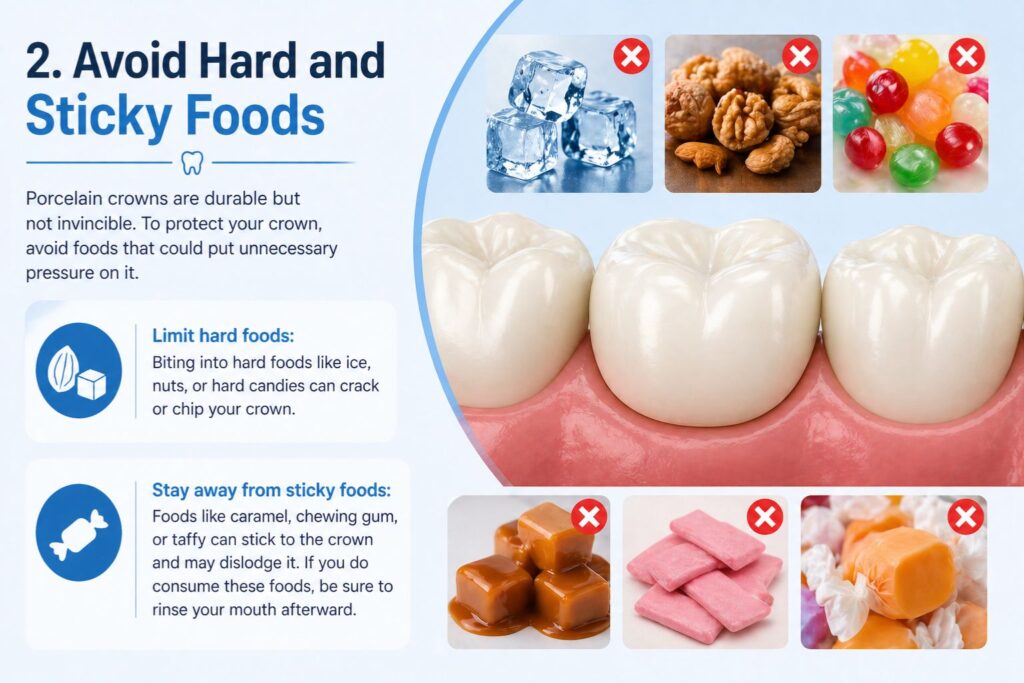
Porcelain crowns are durable but not invincible. To protect your crown, avoid foods that could put unnecessary pressure on it.
- Limit hard foods: Biting into hard foods like ice, nuts, or hard candies can crack or chip your crown. Cut hard foods into smaller pieces if you need to eat them.
- Stay away from sticky foods: Foods like caramel, chewing gum, or taffy can stick to the crown and may dislodge it. If you do consume these foods, be sure to rinse your mouth afterward.
3. Protect Your Crown with a Night Guard
If you grind your teeth at night, you could unknowingly damage your porcelain crown. Teeth grinding can wear down the crown and other teeth over time. A night guard can protect both your crown and natural teeth from the effects of bruxism (teeth grinding).
If you suspect you grind your teeth during sleep, talk to your dentist about getting a custom night guard to protect your crown and overall dental health.
4. Regular Dental Check-ups
Even though porcelain crowns are designed to be durable, regular dental visits are essential for maintaining them. During these check-ups, your dentist will look for signs of wear or damage to your crown and ensure it’s still functioning properly.
- Routine cleanings: Professional dental cleanings every six months are essential for removing plaque and tartar buildup that your toothbrush and floss might miss.
- Examining the crown: Your dentist will check that it’s still securely in place and functioning as expected.
5. Monitor for Sensitivity or Discomfort
It’s normal to experience some sensitivity after a dental crown is placed, especially if the tooth underneath was damaged or decayed. However, if you experience persistent sensitivity, discomfort, or pain around your crown, it could indicate a problem.
If you notice pain while chewing, drinking hot or cold beverages, or even while brushing, make an appointment with your dentist as soon as possible. This could indicate that the crown has shifted, become loose, or that the underlying tooth is experiencing issues.
6. Don’t Use Your Crown as a Tool
It may be tempting to use your teeth as tools, such as to open packages or bite into non-food items, but doing so can damage your crown. Your porcelain crown should only be used for chewing food.
Avoid using your crown for anything other than its intended purpose, and be mindful when chewing on tough or chewy foods.
How Long Will Your Porcelain Crown Last?
With proper care, porcelain crowns can last between 10 and 15 years, sometimes even longer. However, their lifespan depends on how well you maintain them and avoid damaging habits like grinding your teeth or eating hard foods.
If you notice any changes in your crown, such as it feeling loose or out of place, or if you experience pain or sensitivity, it’s important to consult your dentist promptly.
Conclusion: Caring for Your Porcelain Crowns in Centreville, VA
Caring for your porcelain crown doesn’t have to be complicated. By following a consistent oral hygiene routine, avoiding harmful foods, and wearing a night guard if necessary, you can ensure that your crown remains in great shape for years to come.
If you’re experiencing any issues with your porcelain crown or need more information on how to care for it, don’t hesitate to reach out to Centreville Family and Cosmetic Dentistry. Our team is here to provide you with the personalized care you need to maintain a healthy and beautiful smile.
Common Questions People Ask
How long does a porcelain crown last?
Porcelain crowns can last anywhere from 10 to 15 years with proper care. Regular dental visits can help extend their lifespan.
Can porcelain crowns get stained?
While porcelain crowns are resistant to staining, it’s best to limit your intake of staining foods and drinks, such as coffee and red wine.
Are porcelain crowns as strong as natural teeth?
Yes, porcelain crowns are durable and can withstand normal chewing forces. However, they are not as strong as natural teeth and should be protected from extreme pressure.
What should I do if my porcelain crown falls off?
If your crown falls off, contact your dentist immediately. They can reattach or replace it to ensure your tooth is protected.
Can I eat normally with a porcelain crown?
Yes, you can eat normally with a porcelain crown. Just be mindful of hard or sticky foods that could damage the crown.