We are not a registered Medicare/Medicaid Provider

Can Smoking Impact the Success of Your All-On-4 Implants? Dr. Han’s Advice

For many patients considering dental implants, the All-On-4 procedure offers a life-changing solution for missing or severely damaged teeth. While the results can be transformative, it’s essential to understand that the healing process and overall success of the treatment can be affected by various factors. One of the most significant and often overlooked risks is smoking. Dr. Han, a seasoned implant specialist in Centreville, VA, provides valuable insight into how smoking can impact the outcome of All-On-4 implants.
The All-On-4 Procedure: A Revolutionary Approach to Restoring Your Smile
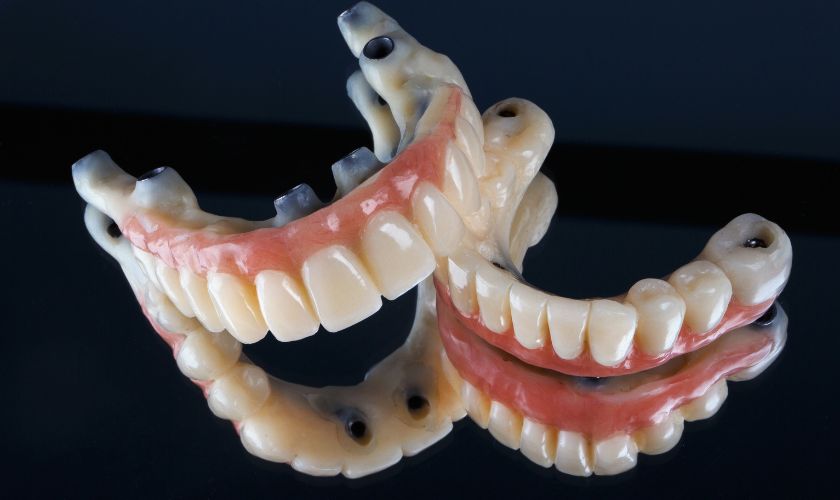
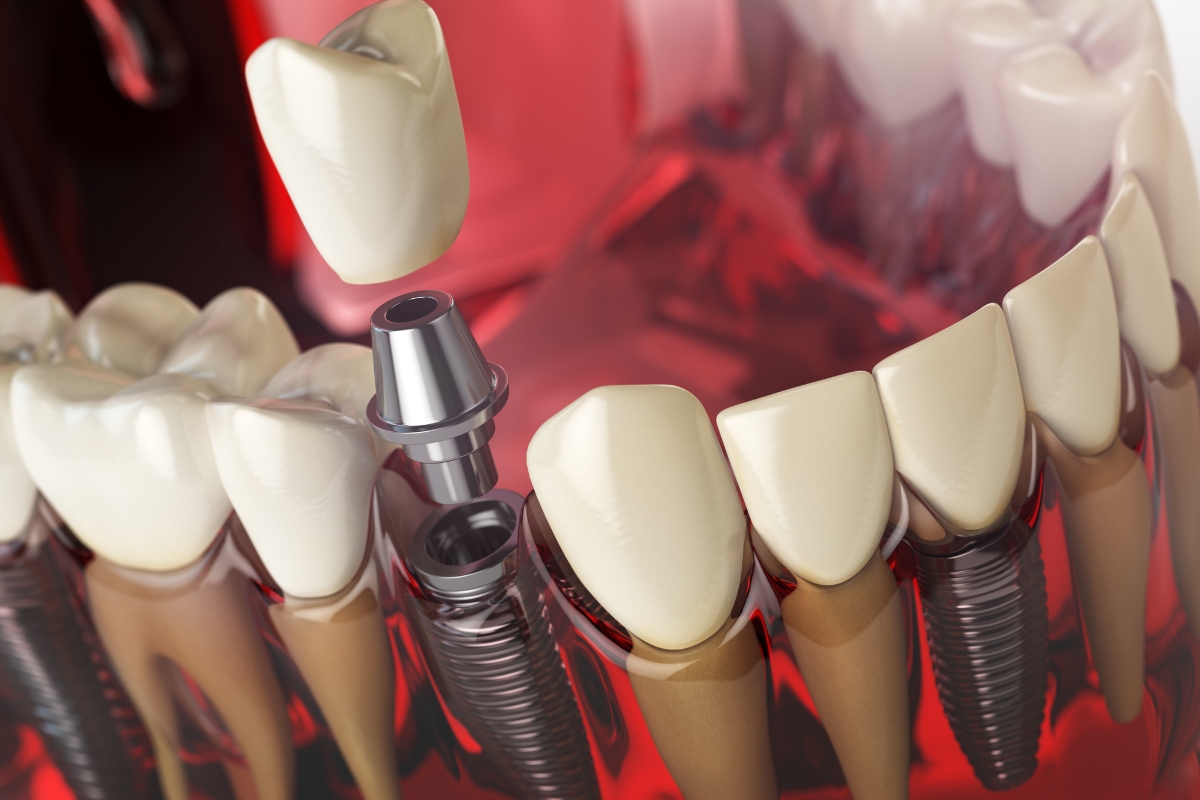
The All-On-4 dental implant technique involves placing four titanium posts into the jawbone, which serve as a sturdy foundation for a full set of replacement teeth. Unlike traditional implants, which require multiple procedures over months, All-On-4 implants offer a faster, more cost-effective solution. The procedure is typically completed in one day, which is why it’s often called “teeth-in-a-day.”
While All-On-4 implants are an excellent choice for many patients, it’s important to note that they require careful aftercare to ensure the success and longevity of the implants. One of the primary factors that can complicate recovery and long-term success is smoking.
How Smoking Can Affect the Success of All-On-4 Implants
Smoking is known to have several negative effects on oral health, and when it comes to dental implants, these effects can significantly impact the healing process. The key reasons smoking can cause All-On-4 implant failure include:
- Reduced Blood Flow and Healing
Smoking decreases the flow of oxygen and essential nutrients to the gums and bone, making it more difficult for the body to heal after implant surgery. The healing process is critical to ensuring the implants fuse properly with the jawbone, a process known as osseointegration. - Increased Risk of Infection
Nicotine can impair the immune system, making it harder for your body to fight off infection. After the All-On-4 procedure, your gums need to be healthy for the implants to integrate well. Smoking can increase the likelihood of infection, which could lead to implant failure. - Bone Loss
Smoking contributes to bone loss over time, which can directly affect the stability of your dental implants. A strong, healthy jawbone is essential for the success of All-On-4 implants. Without proper bone support, the implants may become loose or even fail. - Gum Disease
Smokers are at a higher risk for gum disease, which is another critical factor in implant success. If you already have gum disease, it can worsen with smoking, leading to gum recession and bone deterioration, making the integration of your implants more difficult. - Compromised Aesthetic Results
Smoking stains teeth and gums, leading to an unhealthy appearance. Even if the implants are successful, smoking can affect the overall look of your smile, making it harder for the new teeth to blend in naturally.
Dr. Han’s Advice for Smokers Considering All-On-4 Implants
Dr. Han emphasizes the importance of making lifestyle changes before undergoing the All-On-4 procedure. For patients who smoke, here’s what Dr. Han recommends:
- Stop Smoking Before the Procedure: Ideally, patients should quit smoking at least 2-4 weeks before the All-On-4 procedure to give their gums and bone the best chance to heal effectively. This period allows your body to repair any damage caused by smoking.
- Avoid Smoking During the Healing Process: Dr. Han recommends that patients refrain from smoking for at least three months after the surgery. This will allow for optimal osseointegration, which is essential for the long-term success of the implants.
- Consult with Your Dentist: If you’re a smoker and considering the All-On-4 procedure, it’s crucial to discuss your habits with your dentist. Dr. Han may suggest additional treatments or preventive measures to support the healing process and ensure your implants succeed.
- Maintain Good Oral Hygiene: Smoking often leads to plaque buildup and bacterial growth, so maintaining excellent oral hygiene is crucial to the success of your implants. Brushing, flossing, and regular dental visits will help keep your gums and teeth healthy.
- Consider Alternative Treatment Options: In some cases, Dr. Han may recommend additional bone grafting or gum treatments before proceeding with the All-On-4 procedure to improve the chances of success.
If you’re a smoker considering All-On-4 implants in Centreville, VA, Dr. Han and his team are here to help guide you through the process and ensure the best possible outcome. It’s never too late to take control of your oral health and quit smoking for the sake of your implants. Contact us today to schedule a consultation and learn how we can help you achieve a beautiful, functional smile that lasts a lifetime!
People Also Ask
1. Can I smoke after getting All-On-4 implants?
Smoking is highly discouraged after All-On-4 implant surgery as it can impede healing and increase the risk of infection. Dr. Han recommends quitting before the procedure and refraining from smoking for at least three months after surgery.
2. How long do All-On-4 implants last?
With proper care and maintenance, All-On-4 implants can last a lifetime. However, smoking can shorten their lifespan by affecting the bone and gum health that supports them.
3. Is the All-On-4 procedure painful?
The All-On-4 procedure is typically done under sedation, so patients do not feel pain during the surgery. Some discomfort may persist afterward, but it can be managed with prescribed pain relievers.
4. How soon can I resume normal activities after All-On-4 implants?
Most patients can return to normal activities within a few days, but Dr. Han recommends avoiding strenuous physical activities for at least a week. Smoking can delay the healing process, so it’s best to avoid smoking altogether during the recovery period.
5. What should I do if I smoke and want All-On-4 implants?
Dr. Han advises smokers to quit at least two weeks before the procedure and avoid smoking for several months afterward to ensure the best chance of success for your All-On-4 implants.